Home » Merino Wool Booties: Benefits, Warmth and How to Choose the Right Pair
Choosing comfortable footwear for colder weather often means looking for materials that provide warmth without feeling too heavy. Merino wool booties are a popular option for people who appreciate soft natural fibres, cosy comfort and timeless handmade products. Whether you are shopping for yourself, looking for a thoughtful gift or exploring traditional wool accessories, Merino wool booties offer a combination of practicality and style.
At Kullu Karishma, Himalayan textile traditions and handmade craftsmanship inspire products made with natural fibres. Understanding the benefits of Merino wool and knowing what to look for when buying booties can help you make a more informed choice.
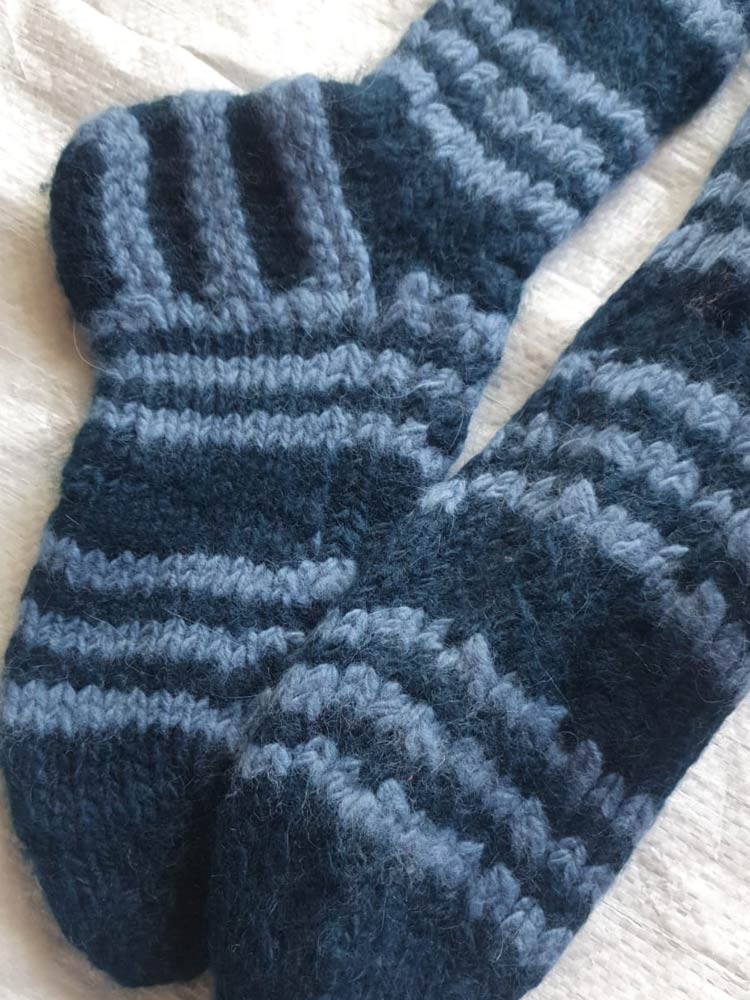
Merino wool booties are soft, boot-shaped accessories made from Merino wool or a Merino wool blend. Depending on their design, they may be knitted, crocheted or otherwise crafted to provide a comfortable covering for the feet.
They are commonly chosen for lounging at home, keeping feet cosy in cool weather and gifting during the winter season. Some designs are intended for babies, while others are made for adults. It is important to check the product’s intended use, size and construction before purchasing.
Merino wool is known for its fine fibres and soft feel. Compared with many traditional coarse wool varieties, it can feel gentler against the skin. This makes it an appealing material for booties designed for comfortable indoor wear.
However, softness can vary depending on the wool quality, knitting technique and individual skin sensitivity.
Merino wool helps retain warmth by trapping air within its fibre structure. This makes Merino wool booties a useful option for keeping feet comfortable during colder mornings, evenings and winter days.
Their warmth also depends on factors such as thickness, construction, fit and whether they are worn alone or with other layers.
Merino wool can absorb moisture vapour and help regulate the microclimate next to the skin. This can support comfort when temperatures fluctuate.
Although wool has moisture-managing properties, booties can still become damp. Allow them to air out between uses and follow the care instructions provided with the product.
Many Merino wool booties are designed to be lightweight and flexible. Their knitted or crocheted construction can allow natural movement while providing a cosy covering for the feet.
For the best comfort, choose a pair that fits properly without squeezing the toes or slipping off too easily.
For shoppers who prefer natural fibres, Merino wool offers an alternative to products made entirely from synthetic materials. It is a renewable fibre obtained from Merino sheep, although the overall environmental impact depends on farming practices, manufacturing, durability and product care.
Checking the material label is important because some booties combine Merino wool with other fibres.
Before buying Merino wool booties, consider the following factors.
Look for the percentage of Merino wool in the product. Some booties are made entirely from wool, while others use blended fibres for different textures, durability or stretch.
If you prefer natural materials, read the product description carefully rather than relying on the product name alone.
A comfortable fit is essential. Booties that are too tight may restrict movement, while oversized designs can slip off during use.
Check the size chart and measurement guidance before ordering. If you are buying baby booties, select a design appropriate for the baby’s age and foot size, and ensure the booties do not have loose parts that could present a safety risk.
Knitted and crocheted booties can differ in stretch, thickness and texture. Examine the stitching, finishing and overall construction to understand how the pair is made.
Handmade products may have small variations that reflect the nature of artisan production.
For indoor lounging, soft and flexible booties may be suitable. For walking on smooth floors, consider whether the design has a secure fit and a suitable non-slip sole.
Soft wool booties without a protective sole are not a substitute for outdoor footwear, and slippery floors can increase the risk of falls.
Wool products often need gentle handling. Check whether the booties require hand washing, a wool-specific washing method or dry cleaning. Proper care can help preserve their shape, texture and useful life.
Both natural wool and synthetic materials can be suitable for cosy footwear, but their characteristics differ.
| Feature | Merino Wool Booties | Synthetic Booties |
|---|---|---|
| Fibre source | Natural wool fibre | Usually manufactured fibres |
| Feel | Often soft and flexible | Varies by material and finish |
| Warmth | Helps retain warmth | Depends on fibre and construction |
| Moisture management | Can absorb moisture vapour | Varies by fibre type |
| Care | May need gentle washing | Often easier to machine wash, depending on the label |
| Environmental considerations | Renewable fibre; impacts depend on sourcing and production | Fossil-fuel-derived fibres are common; impacts vary by material and manufacturing |
Neither option is automatically best for everyone. Your choice should depend on comfort, intended use, care requirements, budget and material preferences.
Handmade wool products offer a connection to the people and techniques behind their creation. Knitting, crocheting and traditional textile-making methods allow artisans to work with fibres in ways that reflect their skills and regional craft traditions.
Kullu Karishma celebrates Himalayan craftsmanship and the knowledge of local artisans in Kullu, Himachal Pradesh. Choosing handmade wool accessories can be a way to appreciate traditional textile work while adding distinctive pieces to your collection.
When buying any handmade product, review its materials, sizing, construction and care instructions to ensure it meets your needs.
Appropriate care helps maintain the appearance and comfort of wool products.
For products that specify hand washing in cool water or dry cleaning only, follow those instructions rather than assuming machine washing is safe.
Merino wool booties can be a worthwhile choice for people who value natural fibres, comfortable warmth and soft footwear for indoor use. Their suitability depends on the quality of the wool, construction, fit and intended purpose.
If you are looking for a handmade wool accessory, explore the designs available from Kullu Karishma and check each product’s specifications to find an option that suits your preferences.
Yes, Merino wool helps retain warmth by trapping air within its fibres. The level of warmth depends on the booties’ thickness, construction, fit and how they are worn.
Merino wool is known for its fine fibres and soft feel. However, the texture can vary between products depending on wool quality, fibre blends and craftsmanship.
Yes, many Merino wool booties are designed for indoor use, including relaxing at home during cooler weather. Check whether the design has a suitable sole if you plan to walk on smooth floors.
Follow the product’s care label. If hand washing is recommended, use cool water and a gentle washing method. Some products may require dry cleaning.
Some booties are specifically designed for babies, but you should check the age and size guidance carefully. Ensure there are no loose decorative parts, and never rely on booties as a substitute for appropriate supervision or safe sleep practices.
Knitted wool booties may have some natural flexibility, but the amount of stretch depends on their construction and any blended fibres. Check the sizing information before buying.
It depends on your priorities. Merino wool offers natural warmth and moisture-vapour absorption, while some synthetic options may be easier to care for or more affordable. Compare the material, fit, durability and care requirements before deciding.
Handmade wool booties can showcase traditional skills and artisan craftsmanship. They may appeal to shoppers who value distinctive textile products, natural fibres and the stories behind handmade goods.