Home » Angora Merino Wool Sweater: Benefits, Warmth and Styling Guide
Choosing the right sweater for winter means finding a balance between warmth, comfort, softness, and style. Wool sweaters remain a popular choice because natural fibres can help retain warmth while offering a comfortable layer for colder days. Among the available options, an Angora Merino wool sweater combines two types of wool fibres known for their distinctive textures and insulating qualities.
Angora wool is appreciated for its soft, fluffy feel, while Merino wool is known for its fine fibres and comfortable feel against the skin. Together, these fibres can create a sweater that feels cosy, looks elegant, and works well with different winter outfits.
In this guide, we explore the benefits of Angora and Merino wool sweaters, how warm they can be, styling ideas for different occasions, and practical tips to help you care for your woollen clothing.
An Angora Merino wool sweater is made using Angora and Merino fibres. Angora fibres are commonly associated with a soft, fluffy texture, while Merino wool is valued for its fine feel, breathability, and natural insulation.
The exact characteristics of a sweater depend on the fibre blend, knitting technique, yarn construction, and garment thickness. A well-made blend can offer a balance of softness, warmth, and everyday wearability.
If you appreciate natural fibres and traditional craftsmanship, explore the Angora & Merino Sweater from Kullu Karishma, which reflects the appeal of woollen clothing inspired by Himalayan textile traditions.
One of the main attractions of Angora and Merino wool is their distinctive softness. Angora fibres contribute a fluffy, delicate texture, while fine Merino wool can feel smooth and comfortable when worn.
This combination makes Angora Merino sweaters appealing to people who prefer a softer alternative to some traditional, coarser wool garments. However, individual comfort varies depending on the blend and personal skin sensitivity.
Both Angora and Merino fibres are valued for their insulating properties. Wool fibres help trap air, which reduces heat loss and supports warmth in cold conditions.
An Angora Merino sweater can be a useful winter layer for everyday outings, travel, outdoor walks, and relaxing indoors. Its warmth will depend on the fibre ratio, knit density, thickness, and the temperature in which it is worn.
For particularly cold weather, wearing the sweater over a suitable base layer and beneath a warm outer jacket can provide additional insulation.
Merino wool is known for helping manage moisture vapour and supporting comfort across changing conditions. This can make it useful for everyday wear when temperatures vary between indoor and outdoor environments.
The overall breathability of an Angora Merino sweater depends on its construction and blend. Choosing a comfortable fit and layering appropriately can help you avoid feeling overheated.
Warm clothing does not always need to feel heavy. Fine wool fibres can provide insulation without requiring an excessively bulky garment.
Depending on its construction, an Angora Merino sweater can fit comfortably into a winter layering routine. Wear it over a lightweight top or under a coat when additional warmth is needed.
Angora fibres are associated with a soft, fluffy surface, while knitted Merino wool offers a refined texture. The appearance of the finished sweater depends on the yarn, knitting pattern, colour, and design.
These qualities make Angora Merino knitwear suitable for both relaxed outfits and more polished winter looks.
An Angora Merino wool sweater can provide useful warmth for cool and cold weather, but no single sweater is ideal for every climate or activity.
Its warmth depends on several factors:
For mild winter days, a sweater may work well on its own. For freezing temperatures or windy conditions, pair it with thermal clothing, a suitable jacket, and other protective layers.
An Angora Merino sweater can be styled in several ways, depending on the occasion and your personal preferences.
Pair your sweater with jeans and comfortable boots for an easy everyday look. Neutral trousers and simple accessories can complement the soft texture of the knitwear without making the outfit feel overly formal.
For a more polished appearance, wear the sweater with tailored trousers, a long coat, and leather footwear. Simple accessories and coordinated colours can create a refined outfit suitable for casual meetings, dinners, or outings.
On colder days, wear the sweater over a lightweight base layer and beneath a warm coat. A woollen scarf, gloves, and suitable footwear can help complete the outfit while adding extra protection against the cold.
Wool sweaters can also complement traditional clothing. Try layering one over a simple kurta or pairing it with tailored ethnic-inspired pieces for a blend of classic and contemporary style.
When choosing colours, consider neutral shades for versatility or richer colours for a more distinctive winter outfit.
Natural wool garments benefit from gentle care. Appropriate cleaning and storage can help maintain their texture and appearance over time.
Always check the garment’s specific care instructions before washing. Different fibre blends and knitting constructions may require different methods.
If the care instructions permit hand washing, use cool water and a suitable wool detergent. Avoid vigorous rubbing, twisting, or wringing, as these actions may distort the knit or damage delicate fibres.
After washing, gently remove excess water without twisting the garment. Reshape it and dry it flat on a clean towel, away from direct heat, unless the care label specifies another method.
Make sure the sweater is clean and completely dry before storing it. Fold it rather than hanging it for long periods, as hanging can stretch knitted garments. Store it in a clean, dry space and protect it from clothing pests.
Avoid unnecessary friction and follow the recommended instructions for removing surface fluff or pills. Gentle handling can help preserve the garment’s appearance.
The best choice depends on your preferred texture, warmth requirements, budget, and care preferences.
| Feature | Angora Merino Wool Sweater | Other Wool Sweaters |
|---|---|---|
| Texture | Often soft and fluffy, depending on the blend | Varies by wool type and yarn construction |
| Warmth | Depends on blend, thickness, and knit | Depends on fibre, thickness, and construction |
| Appearance | May have a delicate, fluffy surface | Ranges from smooth to textured |
| Layering | Suitable for layering when the fit allows | Also suitable for layering |
| Care | May require gentle handling | Care needs vary by fibre and garment |
Rather than choosing based on the fibre name alone, check the composition, construction, fit, and care instructions of the individual sweater.
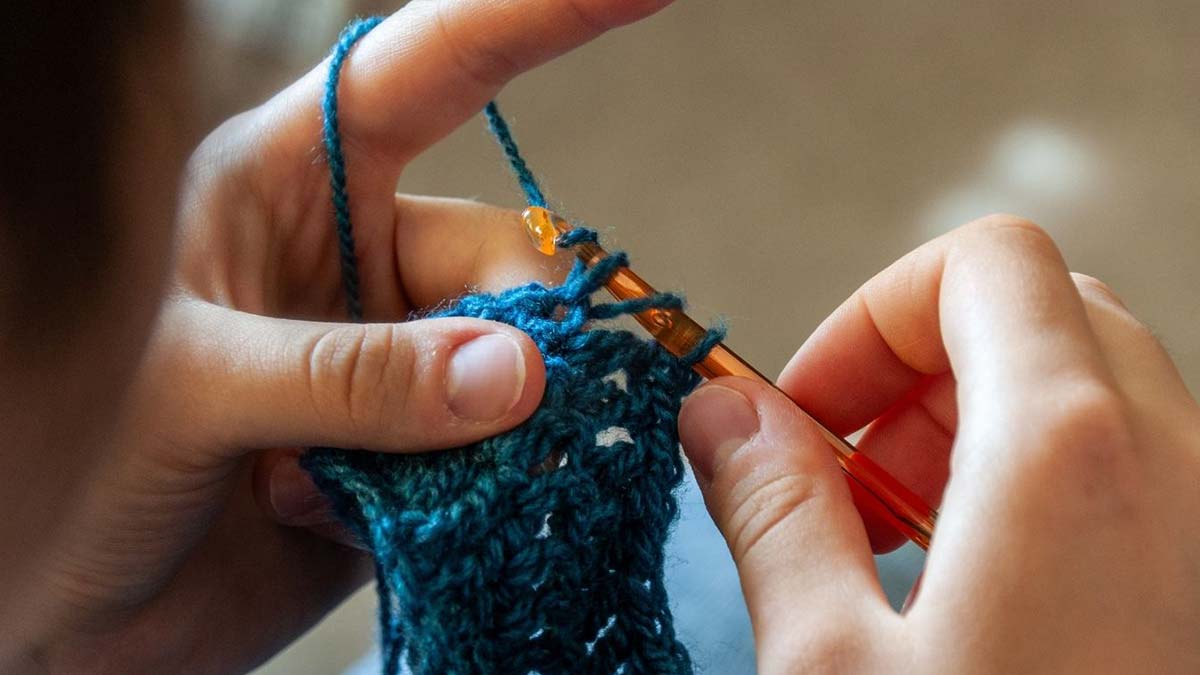
Handmade woollen clothing offers a connection to the skills and techniques used to create knitted and woven textiles. Depending on the product, traditional craftsmanship can give a garment distinctive details and reflect the knowledge of the artisans who make it.
Kullu Karishma celebrates Himalayan textile traditions and natural-fibre clothing, bringing traditional craftsmanship into contemporary wardrobes. If you are looking for a woollen layer for the colder months, discover the Angora & Merino Sweater and explore its product details before purchasing.
When shopping for handmade knitwear, check the stated materials, measurements, fit, and care requirements to make sure the garment suits your needs.
Before buying an Angora Merino wool sweater, consider these practical points:
These checks can help you choose a sweater that fits your lifestyle and remains a useful part of your winter wardrobe.
An Angora Merino wool sweater can be a comfortable and stylish option for winter, combining the soft texture associated with Angora fibres with the fine feel and insulating qualities of Merino wool. Its warmth and performance depend on the blend, construction, and conditions in which it is worn.
With thoughtful styling and gentle care, a wool sweater can become a versatile layer for everyday outfits, travel, and colder days. For those interested in natural-fibre clothing and Himalayan-inspired craftsmanship, explore the Angora & Merino Sweater by Kullu Karishma to learn more about the product.
An Angora Merino wool sweater is made using Angora and Merino fibres. It can combine a soft, fluffy texture with the comfortable feel and insulating properties associated with Merino wool.
Yes, it can provide useful warmth in cool and cold weather. Its insulating performance depends on the fibre blend, knit density, thickness, fit, and the conditions in which it is worn.
Fine Merino wool is often softer than coarser wool types, although softness varies between garments. Fibre quality, yarn construction, and individual skin sensitivity also influence comfort.
Yes, provided the sweater’s construction and care requirements suit your routine. For frequent wear, handle it gently, follow its care label, and allow it to air between uses when appropriate.
Check the garment’s care label first. If hand washing is permitted, use cool water and a suitable wool detergent, avoid twisting or wringing, and dry the sweater flat unless the instructions recommend another method.
It can serve as a mid-layer, but a sweater alone may not provide enough protection in freezing or windy conditions. Combine it with thermal layers and an appropriate insulated outer jacket.
Pair it with jeans and boots for casual wear, tailored trousers and a coat for a polished outfit, or layer it over a lightweight top for extra warmth.
You can explore the Angora & Merino Sweater at Kullu Karishma to review the available product information and decide whether it suits your winter wardrobe.