Home » Natural Wool vs. Synthetic Fabrics: Which Is Better for Winter Clothing?
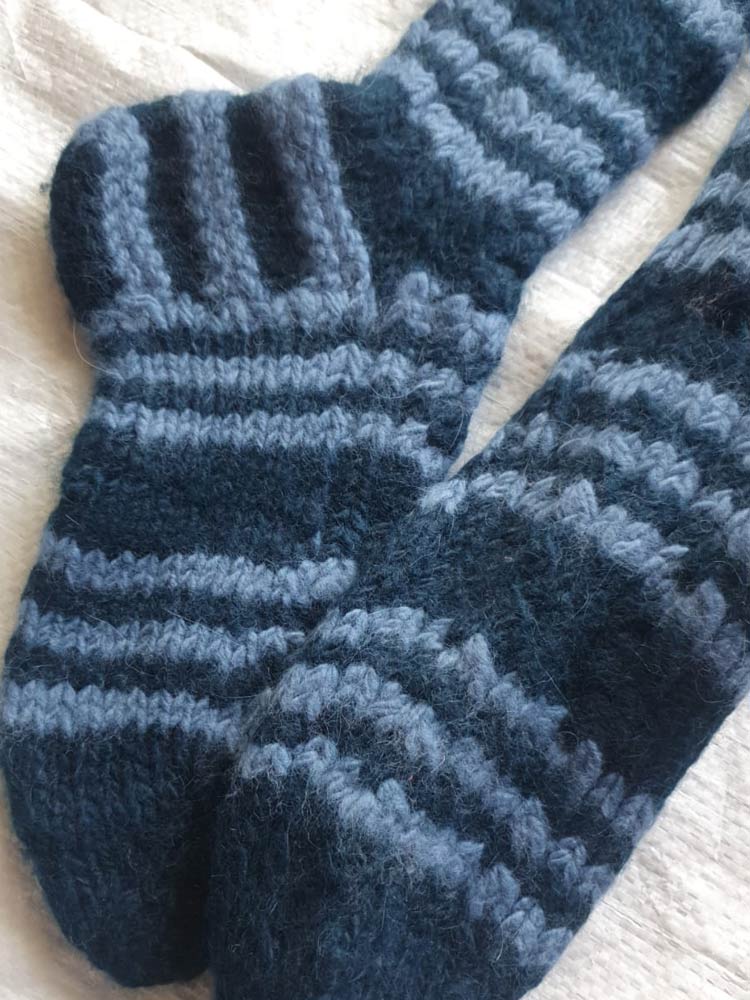
Choosing the right fabric for winter clothing can make a big difference to your comfort during cold weather. From sweaters and jackets to caps, gloves, socks, and mufflers, the material you wear affects how warm and comfortable you feel throughout the day.
Two popular choices for winter wear are natural wool and synthetic fabrics. Natural wool comes from animal fibres, such as Merino sheep wool, Angora, and cashmere, while synthetic fabrics are manufactured using materials such as polyester, acrylic, and nylon.
Both have their own advantages, but which one is better for winter clothing? The answer depends on your needs, budget, lifestyle, and personal preferences. In this guide, we will compare natural wool and synthetic fabrics to help you make an informed choice.
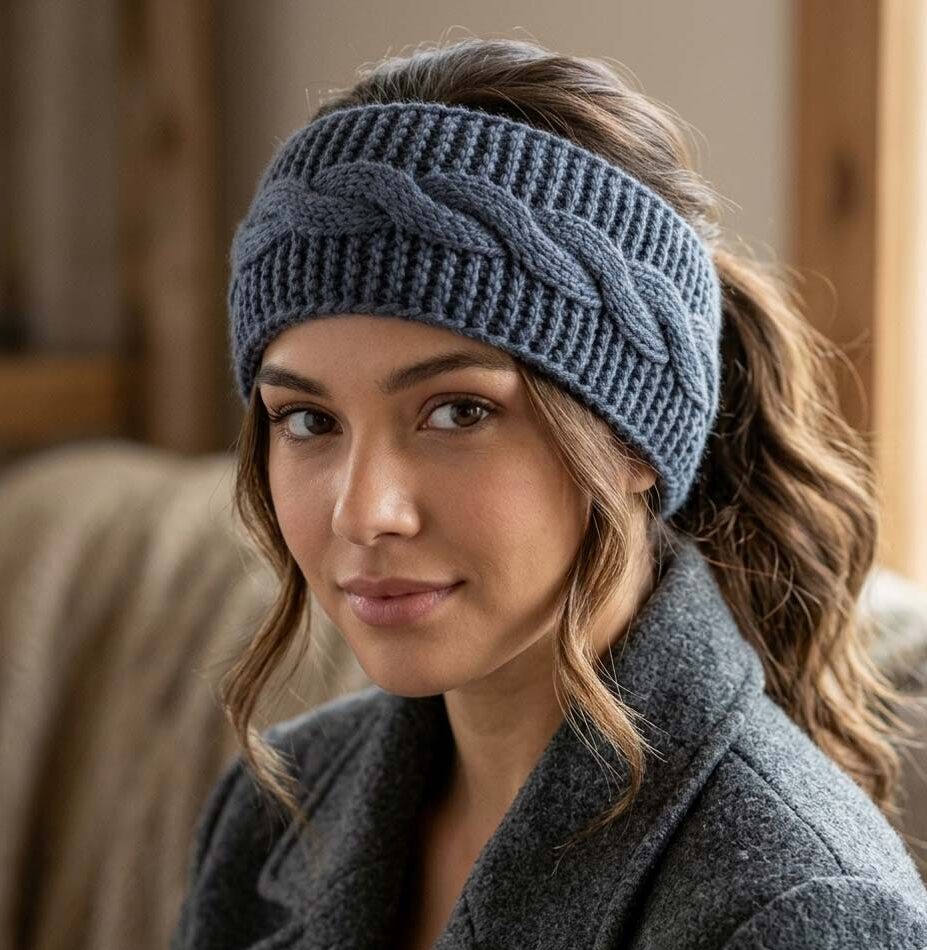
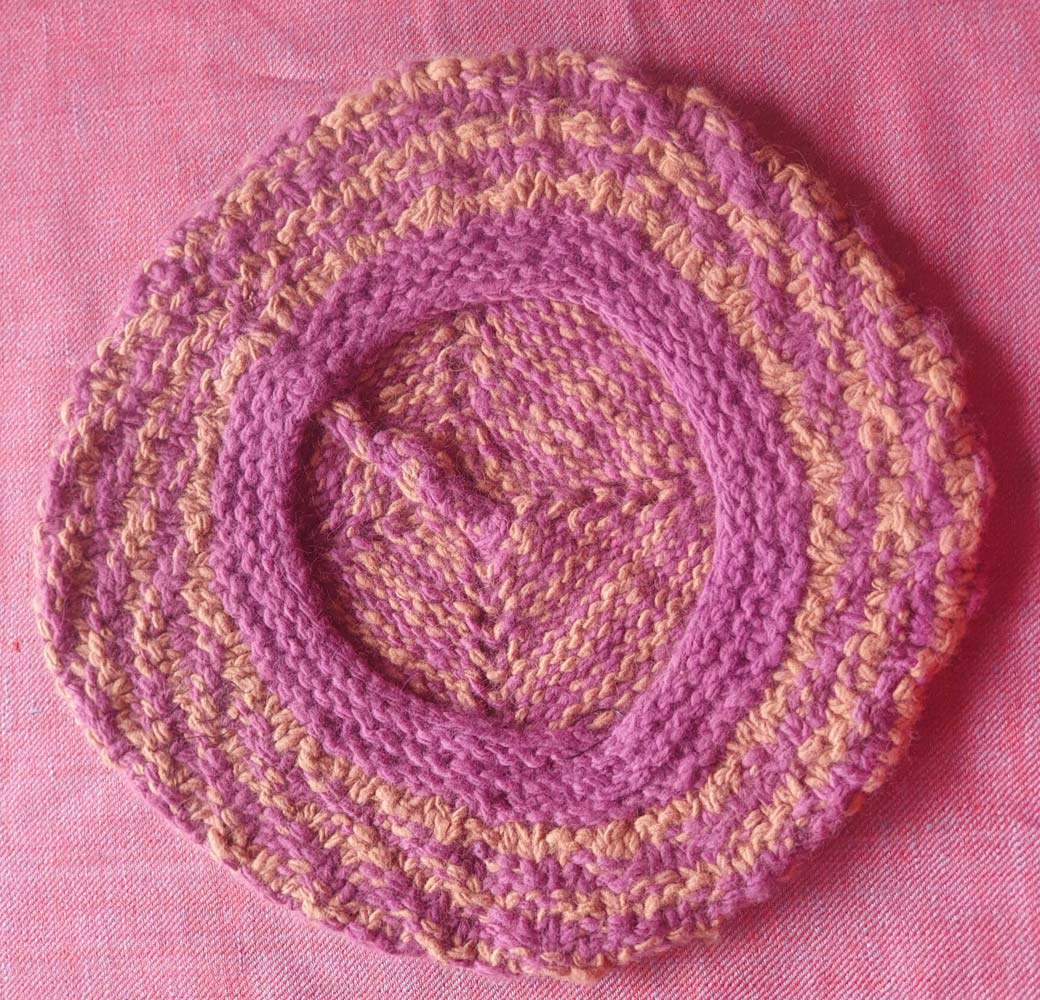
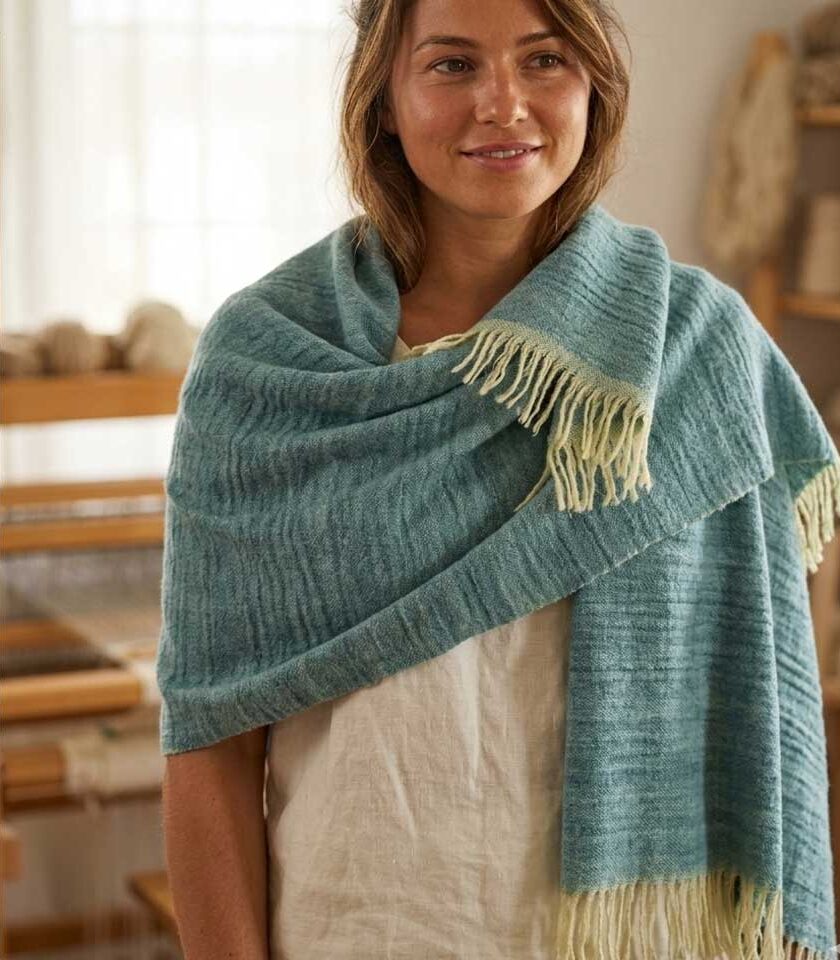
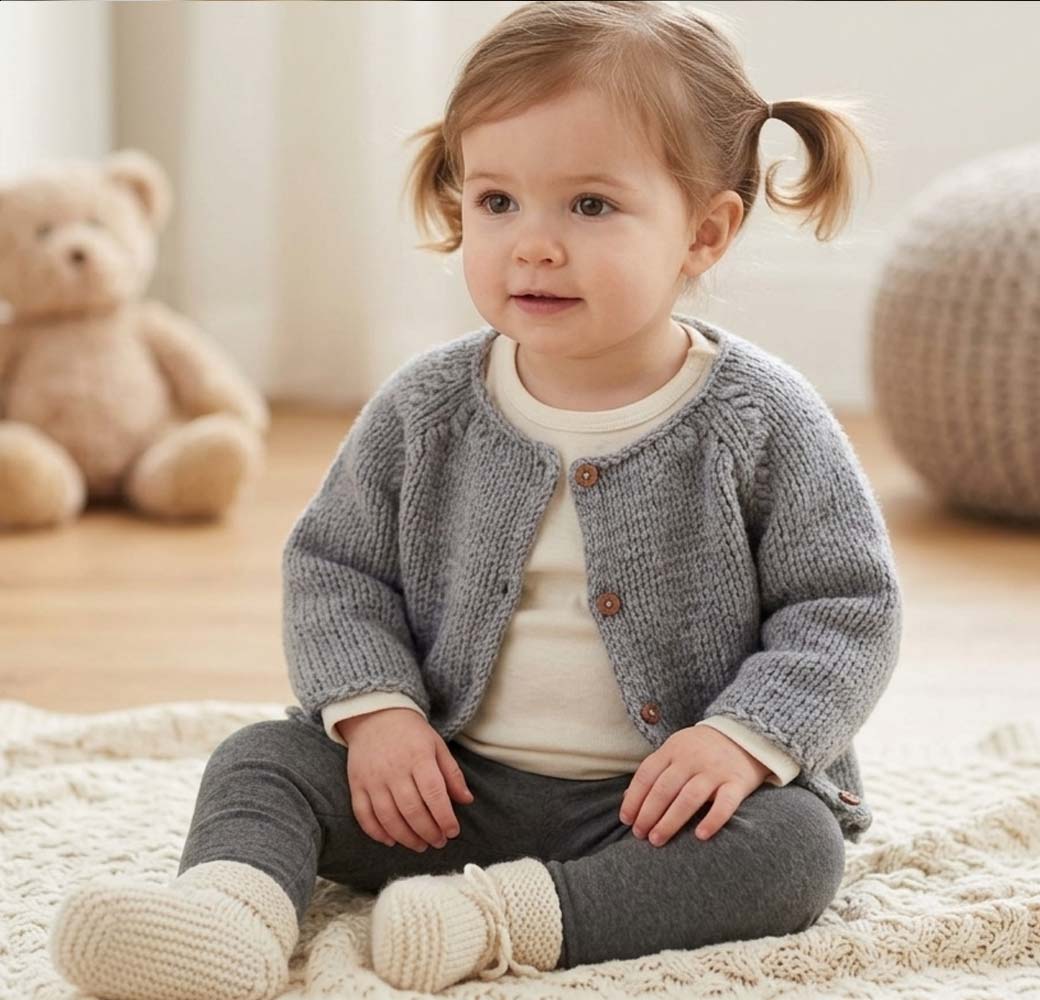
Natural wool is an animal fibre commonly used to make winter clothing and accessories. It is valued for its warmth, softness, and versatility. Different types of wool have different textures and characteristics, making them suitable for a variety of garments.
Some popular types of natural wool include:
Natural wool has been used for generations to create warm clothing and traditional textiles. In Himalayan regions, wool craftsmanship also has an important connection with local culture, traditional weaving, and handmade clothing.
Synthetic fabrics are man-made materials produced through chemical and industrial processes. They are widely used in modern winter clothing because they can be manufactured in different textures, thicknesses, and finishes.
Some commonly used synthetic fibres include:
Synthetic fabrics can be designed for specific purposes, including insulation, moisture management, durability, and easy maintenance. Their performance varies depending on the fibre, fabric construction, and garment design.
Although both materials are used in winter clothing, they offer different characteristics. Understanding these differences can help you choose the right fabric.
Natural wool is known for its ability to provide insulation. Its fibres and the structure of wool fabrics help trap air, which reduces heat loss and keeps the body comfortable in cold conditions.
Synthetic materials can also provide excellent insulation. Fleece and polyester-filled jackets, for example, are designed to retain warmth and are widely used in winter and outdoor clothing.
Which is better? Both can keep you warm. The level of insulation depends on the fibre, fabric thickness, construction, and how the garment fits.
Comfort is an important factor when choosing winter clothing, especially if you wear it for long periods.
Many natural wool fabrics allow moisture vapour to move away from the skin, helping regulate comfort across changing conditions. Fine Merino wool is particularly popular for clothing worn close to the body because of its soft feel.
Synthetic fabrics vary considerably. Some are designed to manage moisture and support ventilation, while others may feel less breathable depending on their construction.
Which is better? Natural wool can be a comfortable option for everyday winter wear, particularly when softness and breathability matter. However, the right choice depends on the specific fabric and its intended use.
During winter, your body can still sweat, especially when walking, travelling, or participating in outdoor activities.
Wool can absorb moisture vapour into its fibres while continuing to provide insulation. This can help maintain comfort in changing conditions.
Synthetic fibres such as polyester generally absorb less moisture. They can move liquid sweat across the fabric surface and dry relatively quickly, depending on the garment design.
Which is better? Wool can be useful for managing moisture vapour and maintaining comfort, while many synthetic fabrics are practical when quick drying is a priority.
The feel of a fabric against your skin can influence how often you choose to wear it.
Natural wool comes in different textures. Fine Merino wool and cashmere are appreciated for their softness, while some coarser wool varieties may feel rough to people with sensitive skin.
Synthetic fabrics can also be soft and smooth. Acrylic, polyester fleece, and other manufactured materials are available in a wide range of textures.
Which is better? It depends on the material quality and your personal preference. Fine natural fibres can offer a particularly comfortable feel, but good-quality synthetic fabrics can also be soft.
Winter clothing should be practical enough for regular use. Durability and ease of care are therefore important considerations.
Synthetic fabrics such as polyester and nylon are generally known for their strength, resistance to stretching, and relatively easy maintenance. Many synthetic garments can be machine-washed, depending on their care labels.
Natural wool needs more attention. Some wool garments require gentle hand washing or dry cleaning to help maintain their shape and texture. Following the recommended care instructions is important.
Which is better? Synthetic fabrics may be easier to maintain for everyday use. Natural wool can also last for years when handled and cared for properly.
The environmental impact of clothing depends on more than whether a fabric is natural or synthetic. Fibre production, processing, dyeing, transportation, garment lifespan, and disposal all play a role.
Natural wool is a renewable animal fibre, but its environmental impact depends on farming practices, land management, animal welfare, and processing methods. Wool is biodegradable under suitable conditions.
Synthetic fabrics are often made from fossil-fuel-based materials. They can be durable and long-lasting, but they do not readily biodegrade and may release microplastic fibres during washing.
Which is better? Neither category is automatically sustainable in every situation. Look at the complete product lifecycle, responsible sourcing, garment quality, and how long you can use the item.
| Feature | Natural Wool | Synthetic Fabrics |
|---|---|---|
| Warmth | Naturally insulating | Can provide effective insulation |
| Breathability | Often breathable | Varies by fabric and construction |
| Moisture management | Absorbs moisture vapour | Many types dry quickly |
| Softness | Varies by wool type | Varies by fibre and finish |
| Durability | Can last with proper care | Often strong and easy to maintain |
| Maintenance | May require gentle care | Often easier to wash |
| Environmental impact | Renewable and biodegradable under suitable conditions | Often fossil-fuel-based and may shed microplastics |
Natural wool is a good option when you value comfort, natural fibres, and traditional craftsmanship. Different wool varieties offer different qualities, so you can choose according to the type of clothing or accessory you need.
Consider natural wool for:
If you prefer natural materials and appreciate handmade products, wool clothing and accessories can be a meaningful addition to your winter wardrobe.
Synthetic fabrics can be a practical choice when you need clothing that is lightweight, quick-drying, or easy to maintain.
They may be particularly useful for:
Synthetic fabrics are not necessarily inferior to natural wool. They serve different purposes, and some winter garments combine natural and synthetic fibres to balance comfort, durability, and performance.
The best winter clothing is not simply about choosing natural wool or synthetic materials. It is about selecting the right fabric for the conditions in which you plan to wear it.
Here are a few things to consider:
At Kullu Karishma, we celebrate the heritage of Himalayan wool craftsmanship through handmade clothing and accessories. Rooted in Kullu, Himachal Pradesh, our brand brings together traditional skills, natural materials, and thoughtful craftsmanship.
Since 1991, Kullu Karishma has been connected with the art of creating woollen products inspired by the region’s textile traditions. From warm caps and gloves to mufflers, socks, shawls, and other wool accessories, our collection reflects the beauty of traditional handmade work.
If you appreciate natural fibres and clothing with a connection to traditional craftsmanship, explore the Kullu Karishma collection and discover woollen pieces for your wardrobe.
So, natural wool vs. synthetic fabrics—which is better for winter clothing?
Both have their place in a winter wardrobe. Natural wool stands out for its traditional appeal, natural insulation, and variety of textures, while synthetic fabrics offer versatility, easy maintenance, and useful performance features for specific activities.
The right choice depends on your comfort, lifestyle, budget, and clothing requirements. You can also combine both materials in your wardrobe, choosing each for the purpose it serves best.
Whether you prefer the natural feel of wool or the practical qualities of synthetic fabrics, focus on choosing well-made clothing that suits your needs and that you will enjoy wearing for many winters.
1. Is natural wool warmer than synthetic fabric?
Not always. Natural wool provides effective insulation, but synthetic materials such as fleece and polyester insulation can also retain heat very well. Warmth depends on the fabric construction, thickness, and garment design.
2. Is Merino wool better than polyester for winter clothing?
Merino wool is valued for its softness, breathability, and moisture-vapour management. Polyester is often lighter, quick-drying, and easy to maintain. The better option depends on the intended use.
3. Are synthetic fabrics suitable for very cold weather?
Yes. Many synthetic garments are specifically designed for cold conditions. Insulated jackets and fleece layers can provide effective warmth when selected according to the weather and activity.
4. Is natural wool environmentally friendly?
Wool is a renewable natural fibre and can biodegrade under suitable conditions. However, its environmental impact depends on farming, processing, land management, and production practices.
5. Why is wool used for winter clothing?
Wool is widely used because its fibre structure helps trap insulating air. It also offers different textures and levels of softness, making it suitable for sweaters, caps, gloves, socks, shawls, and other winter accessories.
6. Can natural wool and synthetic fabrics be worn together?
Yes. Layering different materials can be practical in winter. For example, you might wear a wool sweater with a synthetic outer jacket, depending on the weather and your activities.
7. Which fabric is easier to maintain, wool or polyester?
Polyester is generally easier to maintain and often dries quickly. Wool may need more careful washing and drying, so always follow the garment’s care instructions.
8. What should I check before buying woollen winter clothing?
Check the fibre composition, softness, garment construction, fit, care instructions, and quality. If you prefer natural fibres, make sure the product label clearly identifies the wool type and any blended materials.