Home » The Art of Traditional Wool Weaving in Kullu, Himachal Pradesh
The mountains of Himachal Pradesh are known for their natural beauty, rich cultural heritage, and traditional handicrafts. Among the many crafts that reflect the region’s identity, traditional wool weaving in Kullu holds a special place. Passed down through generations, this craft represents the creativity, patience, and skills of local artisans who transform natural wool into beautiful textiles.
From traditional Kullu shawls to warm woollen clothing and accessories, the region’s weaving heritage reflects a close relationship between local communities, natural materials, and everyday mountain life.
Today, traditional wool weaving continues to connect Kullu’s cultural past with modern fashion. Brands such as Kullu Karishma celebrate this heritage by bringing traditional craftsmanship and natural wool products into contemporary wardrobes.
Let’s explore the history, techniques, materials, and cultural importance of traditional wool weaving in Kullu, Himachal Pradesh.
Wool weaving has been an important part of life in the Himalayan regions for generations. In Kullu, woollen textiles developed as practical clothing for people living in a mountainous environment where winters can be particularly cold.
Local communities used available natural fibres to create garments that offered warmth and everyday comfort. Over time, weaving became more than a practical skill. It developed into a distinctive craft associated with the region’s cultural identity.
Kullu is especially recognised for its traditional wool shawls, including designs featuring colourful geometric patterns and distinctive borders. These textiles reflect the creativity of local weavers and the influence of regional traditions.
The craft continues to evolve, with traditional designs and techniques inspiring contemporary wool clothing and accessories.
Natural wool has long been valued in Himalayan regions because of its insulating properties and versatility. Different types of wool offer different textures, levels of softness, and characteristics, making them suitable for a variety of textile products.
Some commonly used wool fibres include:
1. Merino Wool
Merino wool is appreciated for its fine fibres, softness, and natural insulation. It is commonly used in clothing and accessories where comfort and warmth are important.
2. Angora Wool
Angora wool is known for its fine, fluffy texture and lightweight feel. It is valued for creating soft winter accessories and garments.
3. Lambswool
Lambswool is obtained from a sheep’s first shearing and is known for its soft texture. It is used in different woollen garments and accessories.
4. Other Natural Wool Fibres
Different sheep breeds and regional wool sources offer a variety of textures and qualities. The choice of fibre depends on the intended product, desired finish, and traditional or contemporary techniques being used.
The use of natural fibres helps preserve the connection between Himalayan textile traditions and the materials available to artisans.
Traditional wool weaving involves several stages, from preparing the fibre to creating the finished textile. Each stage requires care, attention, and an understanding of the material.
1. Wool Preparation
The process begins with preparing the raw wool. Depending on the fibre, this may involve cleaning, sorting, and removing unwanted material to prepare it for further processing.
2. Hand Spinning
Spinning transforms prepared wool fibres into yarn. Traditionally, artisans use tools such as the spinning wheel to twist fibres into continuous threads.
The thickness and consistency of the yarn influence the texture and appearance of the finished textile.
3. Hand Weaving
Once the yarn is ready, it can be woven into fabric using a loom. In traditional weaving, warp and weft threads are interlaced to create a textile.
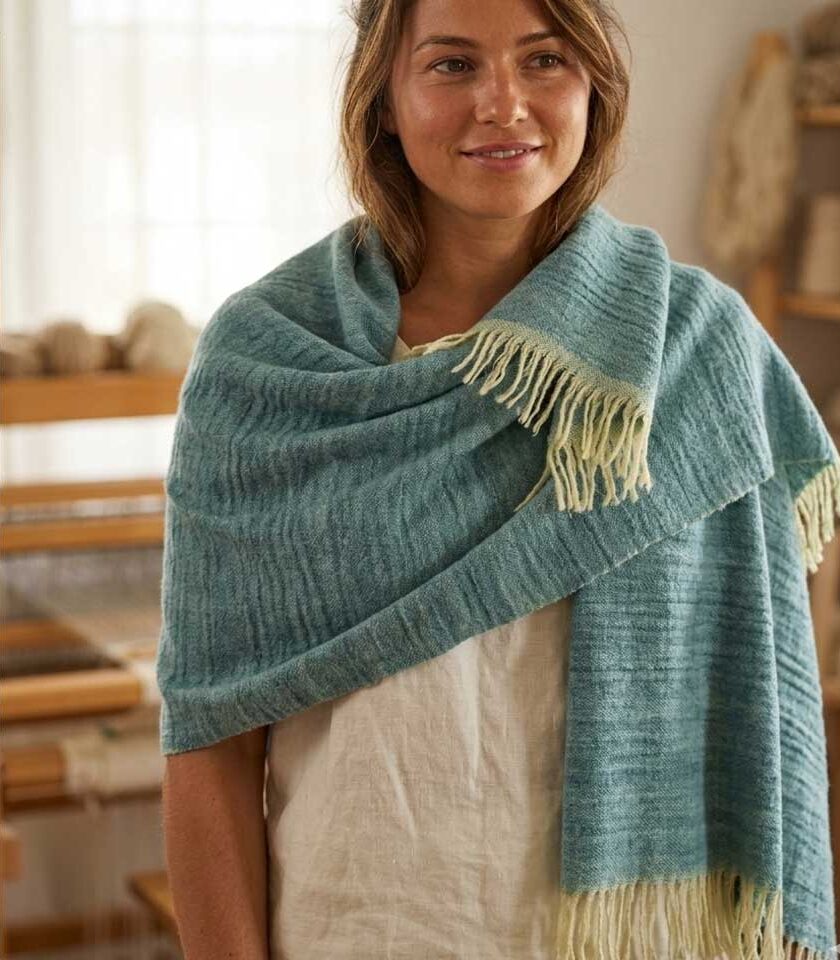
Kullu’s weaving heritage is particularly associated with woollen shawls, which are admired for their colourful patterns and regional designs.
4. Knitting and Other Handmade Techniques
Alongside weaving, knitting and other textile techniques contribute to the variety of handmade wool products created in the region.
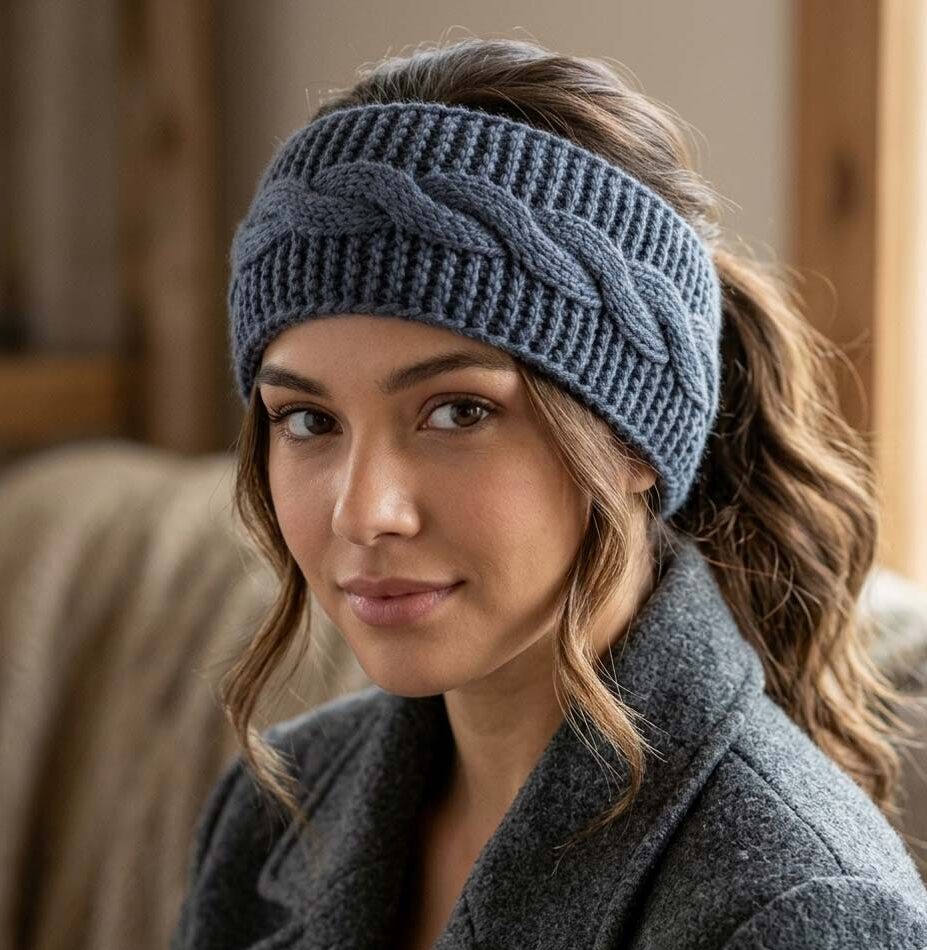
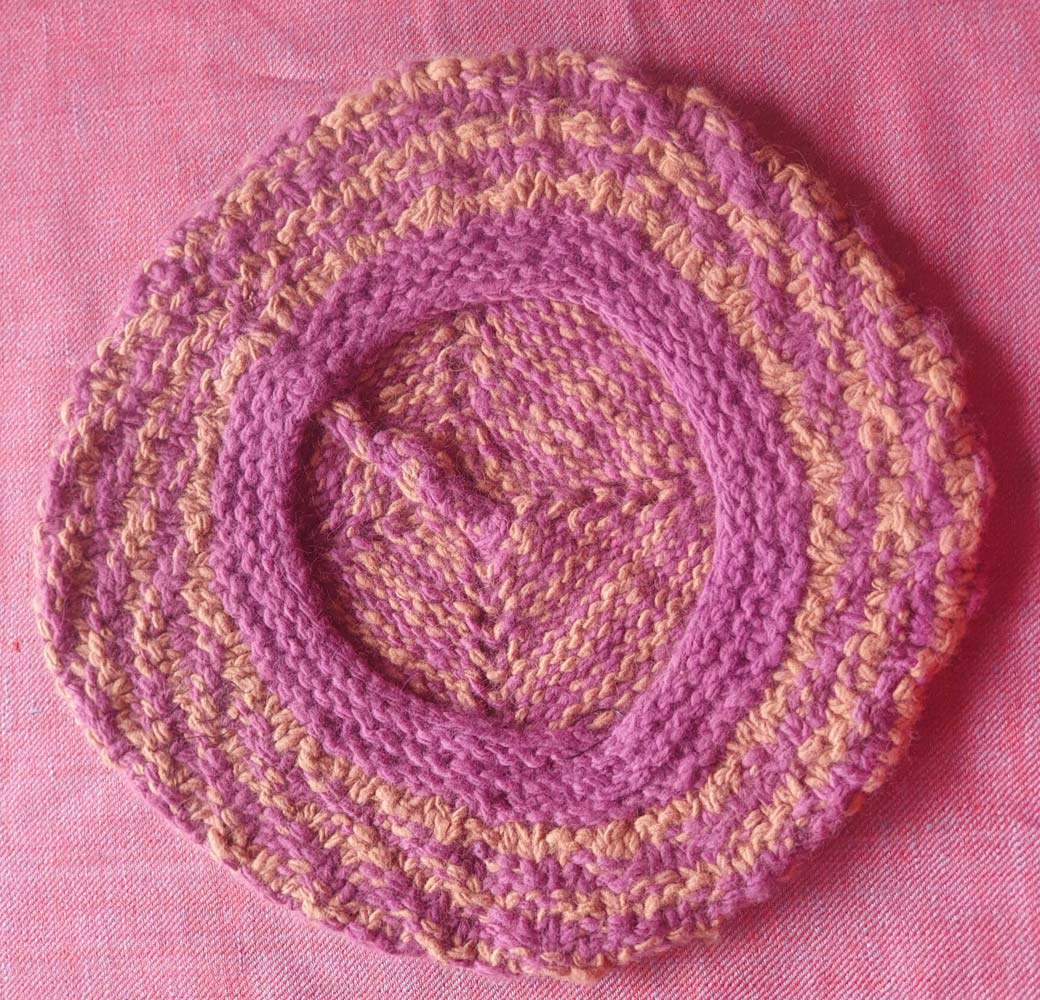
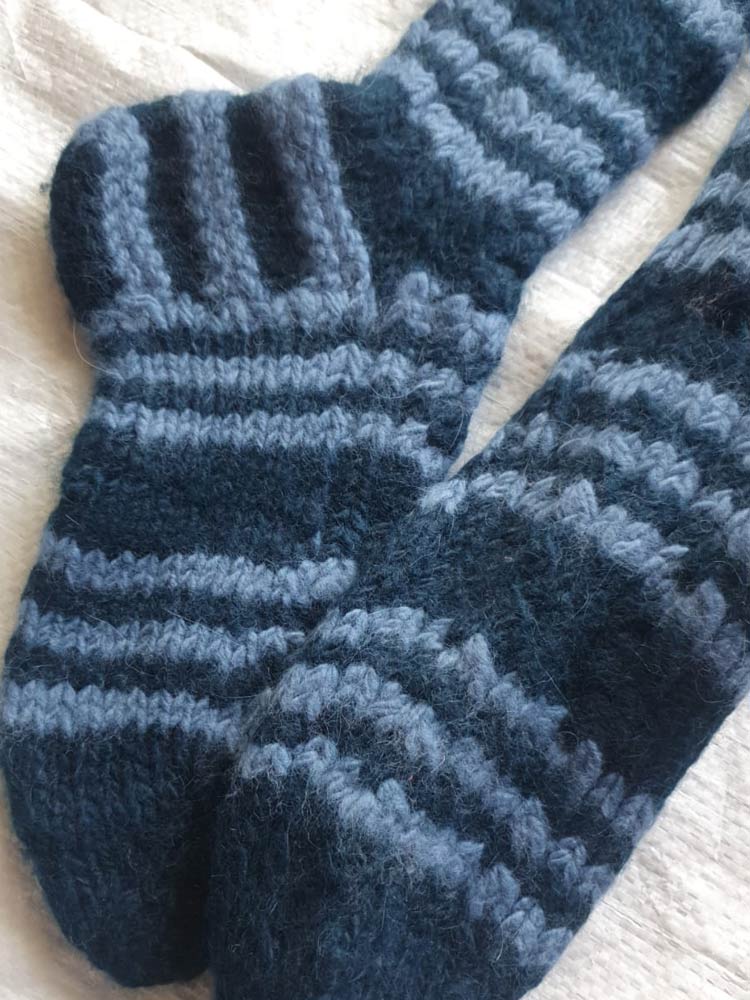
These methods allow artisans to make different garments and accessories, including caps, gloves, socks, mufflers, and other winter essentials.
5. Finishing
The final stage involves checking the textile, completing its edges, and preparing it for use. Careful finishing helps improve the overall appearance and quality of the product.
Kullu wool shawls are among the most recognised textile products associated with the region. Their distinctive patterns and traditional designs make them an important part of Himachal Pradesh’s handicraft heritage.
Some features that make these shawls special include:
These qualities make Kullu shawls more than winter accessories. They are also expressions of regional identity and traditional craftsmanship.
Local artisans play an essential role in keeping traditional wool craftsmanship alive. Their knowledge of spinning, weaving, knitting, and other textile techniques represents years of experience and skills often passed down through generations.
Every handmade textile reflects the effort involved in preparing materials, working with yarn, and creating the finished product.
Supporting traditional craftsmanship can help create greater appreciation for artisan skills and encourage the continued use of heritage techniques.
As modern fashion evolves, preserving these traditional skills becomes increasingly important. It allows future generations to remain connected with the cultural identity of their region.
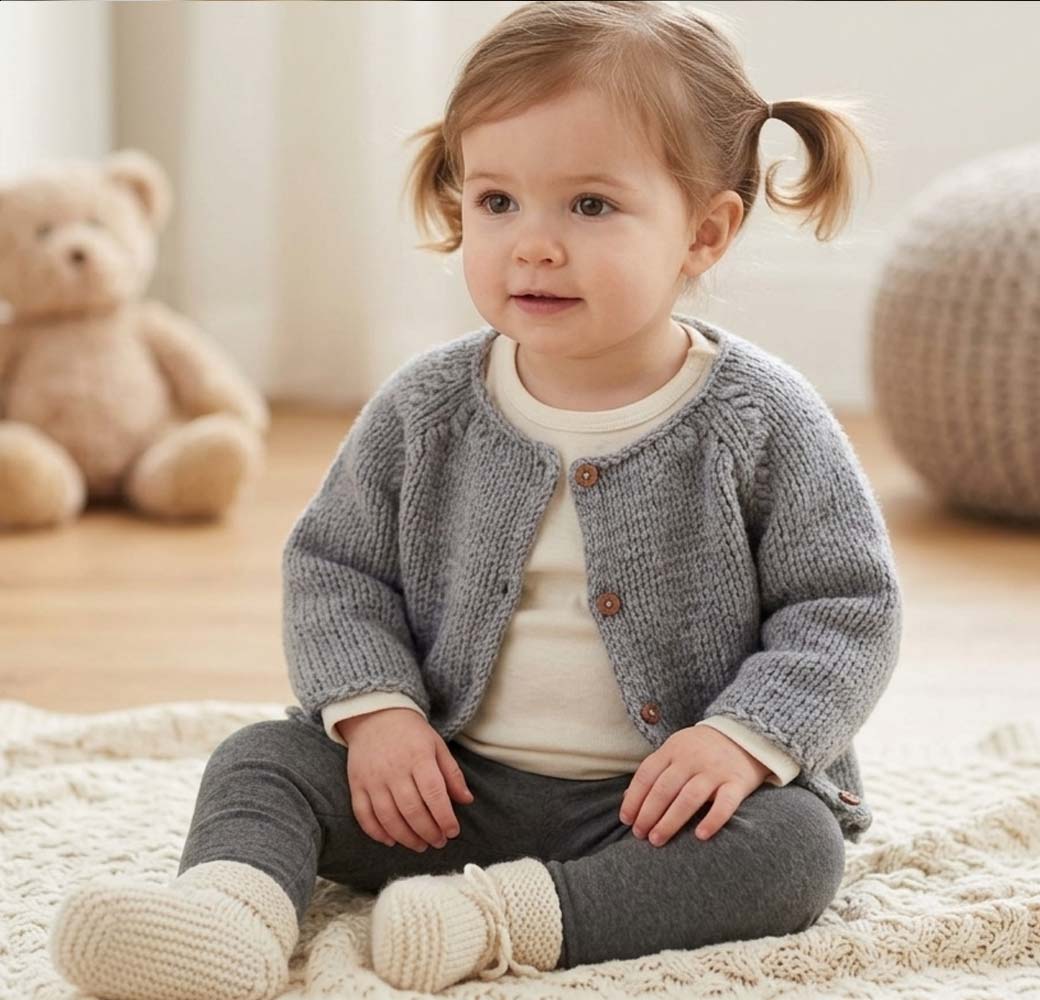
Traditional wool weaving is no longer limited to conventional garments. Today, natural wool and handmade techniques are also used to create accessories and clothing suited to contemporary lifestyles.
Modern wardrobes include a wide range of wool products, such as:
By combining traditional skills with modern designs, handmade wool products can remain relevant while retaining their cultural character.
In a market filled with mass-produced clothing, handmade wool products offer a different experience. They reflect the time, effort, and skill involved in creating textiles through traditional methods.
Here are a few reasons to appreciate handmade wool products:
1. Skilled Craftsmanship
Handmade products involve techniques that require practice and attention to detail. They help keep traditional textile skills relevant.
2. Individual Character
Handcrafted products may have subtle variations in texture, pattern, or finishing, giving each piece its own character.
3. Connection to Heritage
Choosing traditional handmade products helps maintain an appreciation for regional crafts and cultural traditions.
4. Natural Material Options
Many handmade wool products use natural fibres, offering an alternative for people who prefer natural materials in their wardrobes.
5. Timeless Appeal
Traditional wool accessories often feature simple designs and classic styles that can remain useful across changing fashion trends.
At Kullu Karishma, our journey is rooted in the rich textile heritage of Kullu, Himachal Pradesh. Since 1991, we have celebrated traditional craftsmanship through wool clothing and accessories inspired by the beauty of Himalayan culture.
We value natural materials, traditional techniques, and the skills of local artisans who contribute to the creation of handmade textiles. Our approach brings together heritage and contemporary design, creating wool products for people who appreciate comfort, craftsmanship, and conscious living.
From wool shawls and mufflers to Merino accessories, caps, gloves, and socks, our collection reflects our appreciation for natural wool and traditional textile traditions.
Explore Kullu Karishma’s handmade wool collection and discover products inspired by the craftsmanship of the Himalayas.
Traditional wool weaving is an important part of Kullu’s cultural identity. It represents generations of knowledge, the creativity of local artisans, and the relationship between natural materials and mountain life.
As fashion and consumer preferences continue to change, appreciating handmade textiles and supporting traditional craftsmanship can help keep these skills alive.
Whether it is a traditional Kullu shawl or a contemporary wool accessory, every handcrafted textile offers an opportunity to celebrate the region’s rich heritage.
By choosing thoughtfully made wool products, we can continue to appreciate the artistry, traditions, and cultural value behind Himalayan craftsmanship.
1. What is Kullu wool weaving famous for?
Kullu is especially known for its traditional wool shawls featuring colourful geometric patterns and distinctive decorative borders. The region’s weaving heritage reflects the skills and creativity of local artisans.
2. What materials are traditionally used in Kullu wool weaving?
Wool is an important material in Kullu’s textile traditions. Depending on the product and design, different natural wool fibres and yarns may be used.
3. How are traditional wool shawls made in Kullu?
Traditional wool shawls are made through processes that can include wool preparation, spinning, yarn preparation, and weaving on looms. The patterns and finishing require skill and attention to detail.
4. What makes Kullu shawls different from other wool shawls?
Kullu shawls are recognised for their distinctive regional designs, particularly colourful geometric patterns and decorative borders that reflect the cultural identity of the area.
5. Why is traditional wool weaving important in Himachal Pradesh?
Wool weaving is an important part of the region’s cultural and textile heritage. It represents traditional skills, local creativity, and the continued contribution of artisans to handmade crafts.
6. What other handmade wool products are made in Kullu?
Apart from shawls, the region is associated with different wool products and accessories, including caps, mufflers, gloves, socks, and other winter clothing.
7. Why should we support handmade wool products?
Supporting handmade wool products helps create appreciation for traditional craftsmanship, artisan skills, and the cultural heritage behind handmade textiles.
8. Where can I explore handmade wool products inspired by Himalayan craftsmanship?
You can explore Kullu Karishma’s collection of handmade wool clothing and accessories, inspired by traditional Himalayan techniques and the textile heritage of Kullu, Himachal Pradesh.