Home » Merino Wool Jacket: Benefits, Features, Styling & Winter Layering Guide
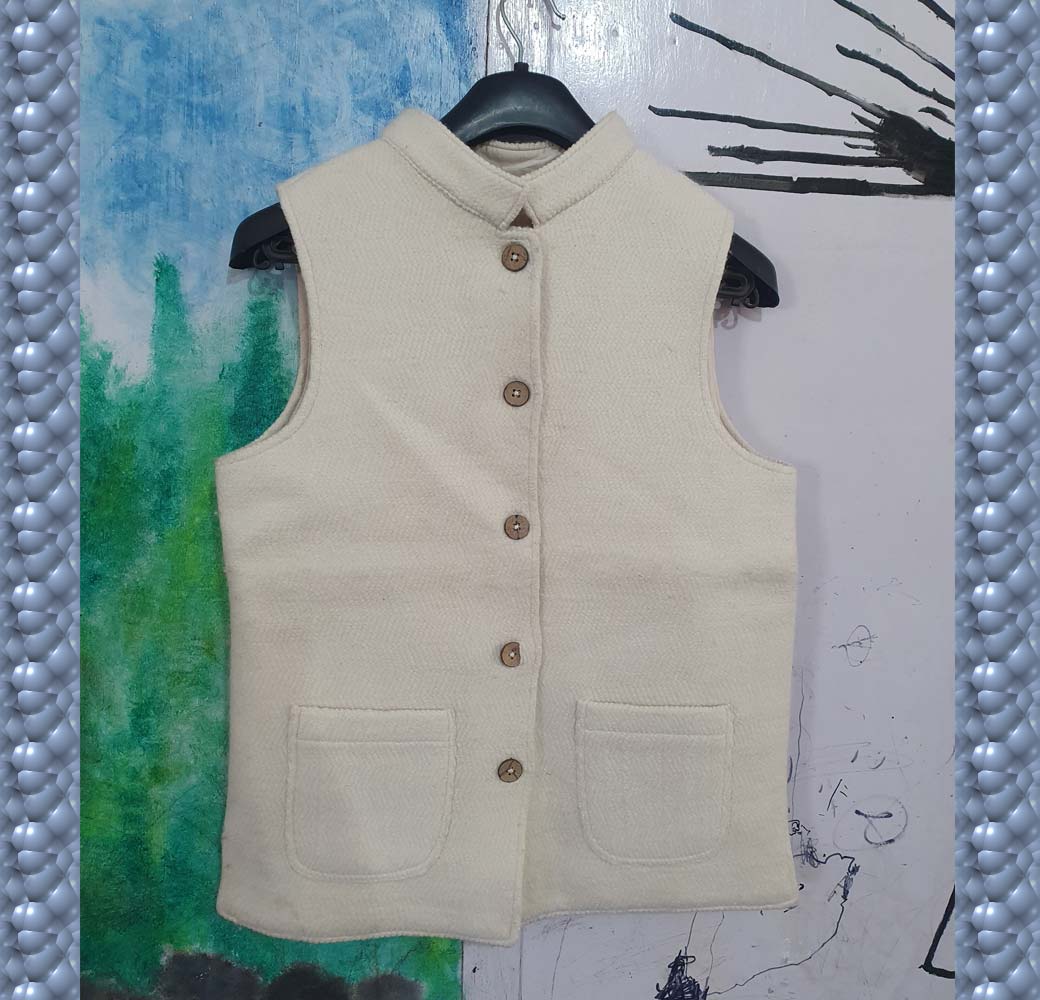
A Merino wool jacket combines natural warmth, breathable comfort, and versatile winter style in one practical layer. Made from Merino wool, a naturally soft wool fibre, these jackets can provide insulation while remaining comfortable for everyday wear, travel, and outdoor activities.
Unlike bulky winter clothing, Merino wool can offer warmth without excessive weight. When combined with thoughtful construction and traditional craftsmanship, a Merino jacket can become a versatile part of a cold-weather wardrobe.
In this guide, we explore the benefits and features of Merino wool jackets, how to style them, how to layer them for winter, and how proper care can help maintain their quality.
A Merino wool jacket is a winter or transitional outer layer made partly or primarily from Merino wool. Merino wool comes from Merino sheep and is valued for its soft feel, natural insulation, breathability, and moisture-management properties.
Depending on its construction, a Merino jacket can range from a lightweight knitted layer to a thicker winter jacket. This makes Merino wool suitable for different climates and layering requirements.
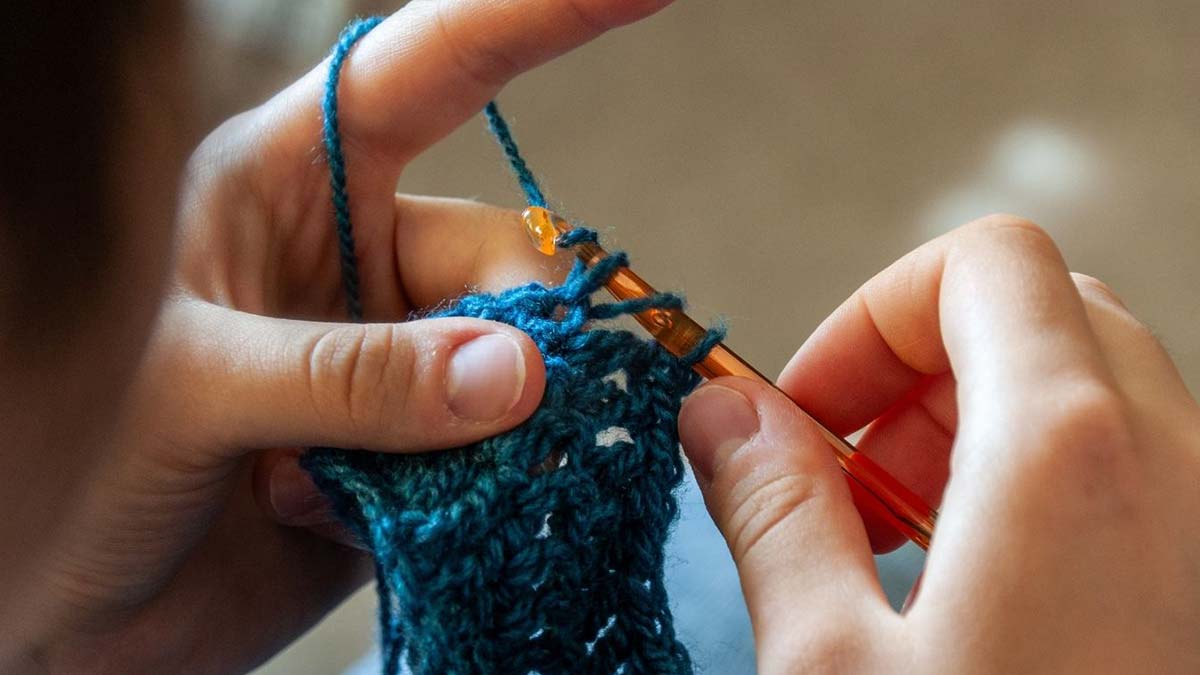
Handmade Merino jackets can also showcase traditional knitting or textile techniques, giving each garment a distinctive artisanal character.
Merino wool naturally helps insulate the body by trapping air within its fibres. This makes it useful as a winter layer when temperatures drop.
A Merino jacket can provide comfortable warmth without necessarily having the heavy or bulky feeling associated with some traditional winter garments.
One of the useful properties of Merino wool is its breathability. It can help regulate comfort across changing conditions, making it suitable for both indoor and outdoor use.
This is particularly useful when moving between cold outdoor environments and warmer indoor spaces.
Merino fibres are generally finer than many traditional wool fibres, giving Merino garments a softer feel. This makes Merino wool clothing comfortable for extended wear when properly constructed.
Merino wool can provide warmth while remaining relatively lightweight. This makes a Merino wool jacket useful for travel, layering, and everyday winter dressing.
A Merino jacket can work across different settings. It can be worn casually with jeans, layered over a shirt for everyday outfits, or combined with other winter garments when additional insulation is needed.
When choosing a Merino wool jacket, consider more than just the material.
Look for information about the fibre composition and construction. A good-quality Merino garment should have a comfortable feel and appropriate weight for its intended use.
Pay attention to seams, cuffs, closures, and overall construction. These details can influence comfort and durability.
A lightweight Merino jacket may work well as a layering piece, while a heavier construction may be more suitable as an outer winter layer.
Features such as a comfortable fit, useful pockets, secure closures, and easy layering can make a jacket more practical for everyday use.
Handmade Merino jackets can offer a distinctive alternative to mass-produced winter clothing. Traditional knitting and textile techniques can add character while supporting skilled artisan craftsmanship.
One of the advantages of a Merino wool jacket is its versatility.
For a simple everyday outfit, wear a Merino jacket over a basic T-shirt or lightweight top with jeans or trousers. Add comfortable boots or sneakers for a relaxed winter look.
For a more polished outfit, layer the jacket over a shirt and combine it with tailored trousers. Neutral colours such as beige, gray, brown, navy, and black can make the jacket easier to coordinate with other winter clothing.
For travel, pair a lightweight Merino jacket with comfortable trousers, a base layer, and practical footwear. This creates an adaptable outfit that can be adjusted as temperatures change.
Layering allows you to adjust your clothing according to temperature and activity.
Base layer: Start with a lightweight, breathable layer that sits comfortably against the body.
Middle layer: Add your Merino wool jacket to provide insulation and warmth.
Outer layer: In particularly cold, windy, or wet conditions, add an appropriate protective outer shell over the Merino layer.
This approach allows you to remove or add layers instead of relying on one extremely heavy garment.
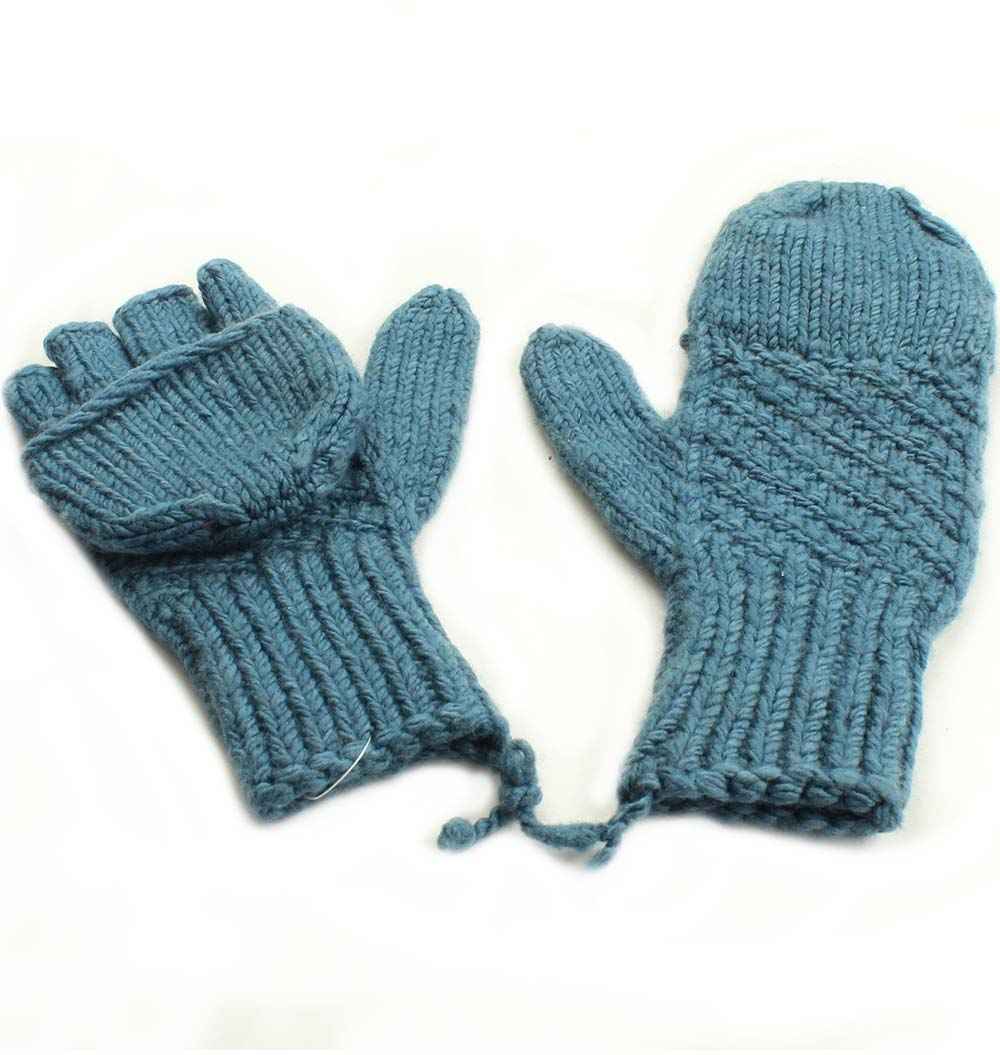
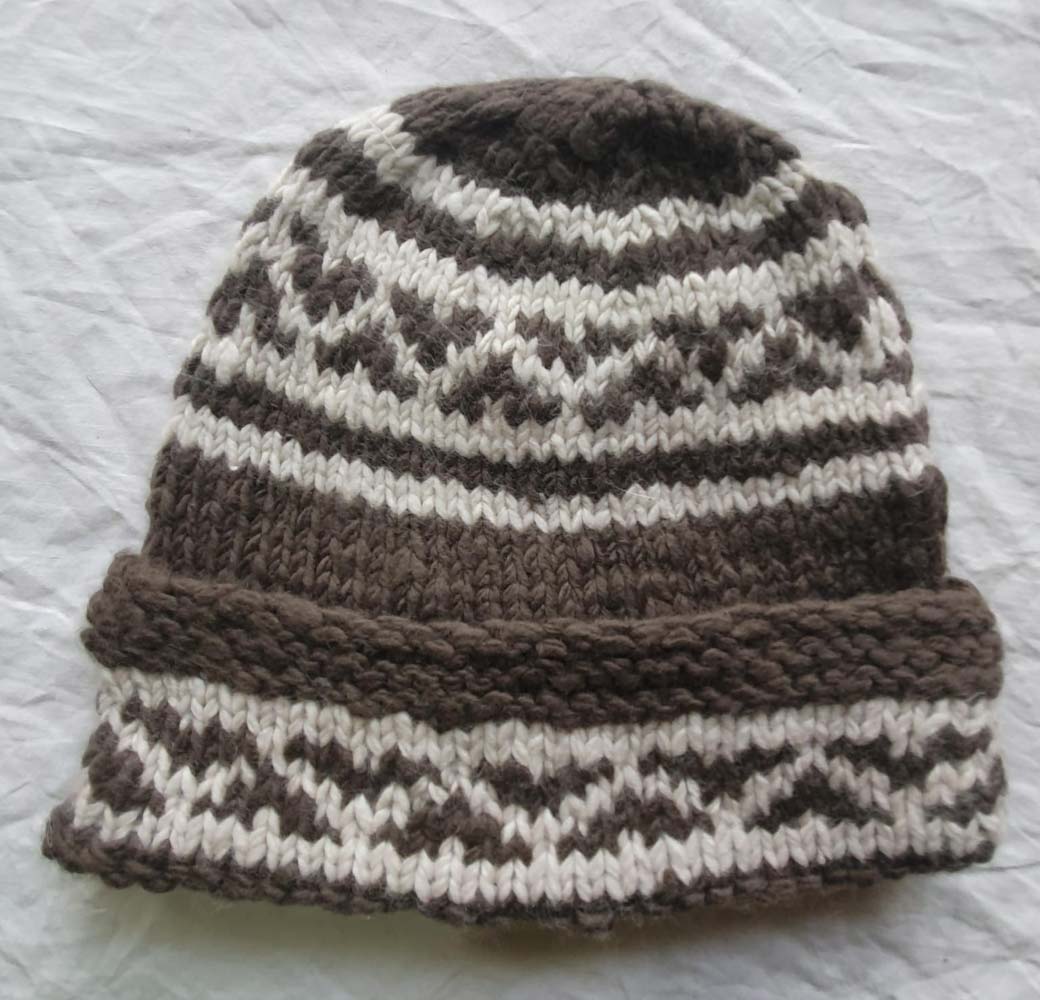
Accessories such as Merino wool neck warmers, scarves, gloves, caps, and leg warmers can also complement a winter layering system.
A Merino wool jacket can be a useful travel garment because of its combination of warmth, comfort, and versatility.
Instead of carrying several bulky winter layers, travellers can use a Merino jacket as part of a flexible layering system. It can be worn during transportation, sightseeing, casual outings, and cooler evenings.
For mountain destinations and changing weather, combining a Merino jacket with additional layers can provide greater flexibility throughout the day.
Merino wool can be suitable for outdoor activities where warmth, comfort, and breathability are important. However, the suitability of a particular jacket depends on its weight, construction, weather protection, and intended use.
For activities involving rain, snow, or strong wind, a Merino wool layer may work best underneath a weather-resistant outer shell rather than being used as the only protective layer.
Natural wool is often considered as an alternative to entirely synthetic winter materials. Merino wool is a renewable natural fibre, and well-made wool clothing can be durable when properly cared for.
Choosing handmade wool clothing can also support traditional craftsmanship and artisan skills. At Kullu Karishma, natural fibres and traditional Himalayan techniques are an important part of the brand’s approach to wool clothing.
However, sustainability depends on several factors, including fibre sourcing, garment longevity, manufacturing, transportation, and how a product is cared for and eventually disposed of.
Proper care can help maintain the appearance and quality of Merino wool clothing.
Some handmade wool garments may require hand washing in cool water or professional dry cleaning, depending on their construction and fibre composition.
Different winter jackets serve different purposes.
A Merino wool jacket can provide natural insulation, breathability, and comfortable layering.
A synthetic insulated jacket may be designed specifically for lightweight insulation and particular outdoor conditions.
A down jacket is commonly chosen when high warmth-to-weight performance is a priority.
A fleece jacket can provide lightweight warmth and is often used as a mid-layer.
The right choice depends on the climate, activity, weather protection required, personal preference, and how the garment will be layered.
A handmade Merino wool jacket can offer more than warmth. It can represent traditional craftsmanship, careful construction, and a connection to textile-making traditions.
At Kullu Karishma, handmade wool products are rooted in Himalayan craftsmanship and traditional techniques. Working with natural fibres such as Merino wool allows these traditions to be incorporated into contemporary winter clothing.
For shoppers interested in slow fashion, a thoughtfully made wool garment can be an opportunity to choose a winter piece designed around natural materials and craftsmanship rather than purely seasonal trends.
Before purchasing a Merino wool jacket, consider:
A Merino wool jacket can be a versatile addition to a winter wardrobe, offering natural warmth, breathable comfort, lightweight insulation, and easy layering. Its usefulness extends from everyday outfits and travel to outdoor activities when combined with suitable weather protection.
For those who appreciate natural fibres and traditional craftsmanship, a handmade Merino jacket also offers a way to bring Himalayan textile traditions into contemporary winter clothing.
At Kullu Karishma, our approach to wool clothing combines natural fibres with traditional craftsmanship, creating pieces that reflect the warmth, heritage, and artisanal character of Himalayan textiles.
Yes. Merino wool naturally provides insulation and can be a comfortable winter layer. The warmth of a particular jacket depends on its weight, construction, and how it is layered.
Merino wool can provide effective natural insulation. In very cold conditions, a Merino jacket can be combined with base layers and a weather-resistant outer layer for additional protection.
Yes. A Merino jacket can be useful for travel because it combines warmth, comfort, and versatility. Lightweight versions can also work well as part of a layered travel wardrobe.
Yes. Lightweight Merino jackets can be comfortable for indoor use, particularly in cool environments. Their breathability can make them practical when moving between indoor and outdoor spaces.
Always follow the garment’s care instructions. Depending on its construction, a Merino wool jacket may require gentle hand washing in cool water or professional dry cleaning.
Merino wool is a natural and renewable fibre. However, the overall sustainability of a garment depends on factors such as sourcing, manufacturing, durability, transportation, care, and end-of-life practices.
A lightweight breathable base layer works well underneath a Merino jacket. In colder conditions, additional layers can be added depending on the temperature and activity.