Home » How to Choose the Best Wool Sweater for Winter
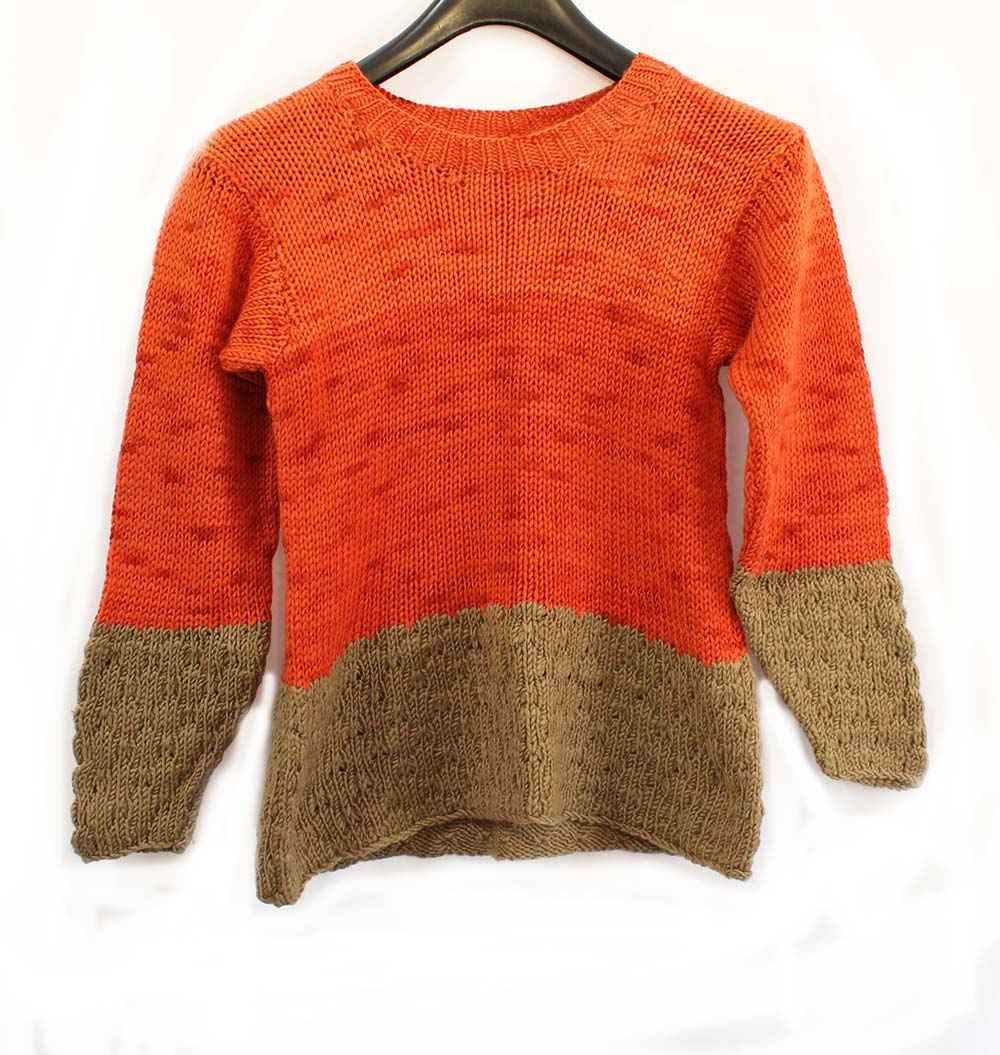
Choosing the right sweater for winter is about more than picking a color or design. A good winter sweater should provide warmth, comfort, breathability, durability, and a comfortable fit while complementing your everyday style.
With so many options available today, including wool, acrylic, polyester, blended fabrics, Merino Wool, Angora Wool, and Lamb Wool, finding the right sweater can sometimes be confusing.
Natural wool sweaters remain a popular choice because wool provides natural insulation while allowing the body to regulate temperature. However, different types of wool have different characteristics, so understanding the material is important before making a purchase.
In this guide, we’ll explain how to choose the best wool sweater for winter, what to look for when buying one, and how different types of wool compare.
Wool is a natural fiber that has been used for winter clothing for generations. Its natural structure helps trap warm air close to the body, making it particularly useful in cold weather.
A good-quality wool sweater can offer:
Unlike very heavy winter clothing, a well-made wool sweater can provide warmth without necessarily feeling excessively bulky.
One of the most important things to consider when choosing a wool sweater is the type of wool used.
Different wool fibers have different levels of softness, warmth, weight, and durability.
Merino Wool is widely appreciated for its softness and lightweight feel. It is an excellent option for people who want a warm sweater that remains comfortable during extended wear.
Merino Wool is suitable for:
Its breathable nature also makes it useful when temperatures change throughout the day.
Angora Wool is known for its soft texture and excellent warmth. It is often associated with premium winter clothing because of its lightweight and luxurious feel.
Angora Wool is ideal for:
If softness and warmth are your priorities, an Angora blend can be an attractive choice.
Lamb Wool comes from the first shearing of young sheep and is valued for its softness, warmth, and durability.
It can be an excellent choice for everyday winter clothing where both comfort and long-term use are important.
Lamb Wool is suitable for:
The best wool sweater for you depends partly on the climate where you live.
For relatively mild winter conditions, a lightweight Merino Wool sweater may be sufficient.
For colder Himalayan conditions, you may prefer a thicker or heavier wool sweater that can be layered with other winter clothing.
Consider:
A sweater intended for a cold mountain destination may need different characteristics from one designed for everyday city wear.
The thickness and weight of a sweater can significantly affect how warm it feels.
Lightweight Sweaters
Best for:
Medium-Weight Sweaters
Suitable for:
Heavyweight Sweaters
Ideal for:
Choosing the appropriate weight helps you stay warm without wearing unnecessary layers.
A warm sweater should also be comfortable and easy to move in.
When selecting a sweater, consider:
A slightly relaxed fit can be useful during winter because it allows you to wear a shirt or thermal layer underneath.
However, an excessively loose sweater may allow cold air to enter, while an overly tight sweater can restrict movement and reduce layering options.
The quality of construction is just as important as the fiber.
Look closely at:
A well-made sweater should have consistent stitching and properly finished edges.
Handmade sweaters can have subtle variations because they are created by artisans rather than automated production lines. These small characteristics can be part of their unique appeal.
When shopping for a winter sweater, check the fiber composition on the product label.
Natural fibers such as wool can provide warmth, breathability, and comfortable insulation.
Some sweaters may contain blends of wool and synthetic fibers. Blended fabrics can have their own advantages, depending on the intended use and desired price point.
If your priority is natural material and traditional craftsmanship, look for sweaters made primarily from natural fibers.
A good winter sweater should be versatile enough to work with multiple outfits.
Classic shades such as:
can be easily paired with jeans, trousers, skirts, and other winter clothing.
If you prefer a more distinctive appearance, handmade sweaters with traditional Himalayan-inspired patterns or multiple colors can add personality to a winter wardrobe.
Think about where and how you plan to wear your sweater.
For Everyday Wear
Choose a comfortable, durable sweater that works well with jeans or trousers.
For Travel
Look for lightweight wool that provides warmth without taking up too much space in your luggage.
For Mountain Trips
A thicker wool sweater combined with suitable base layers and outerwear can provide additional protection against cold temperatures.
For Special Occasions
Designer or handcrafted wool sweaters can provide warmth while adding a distinctive touch to your outfit.
Another factor to consider is how the sweater is produced.
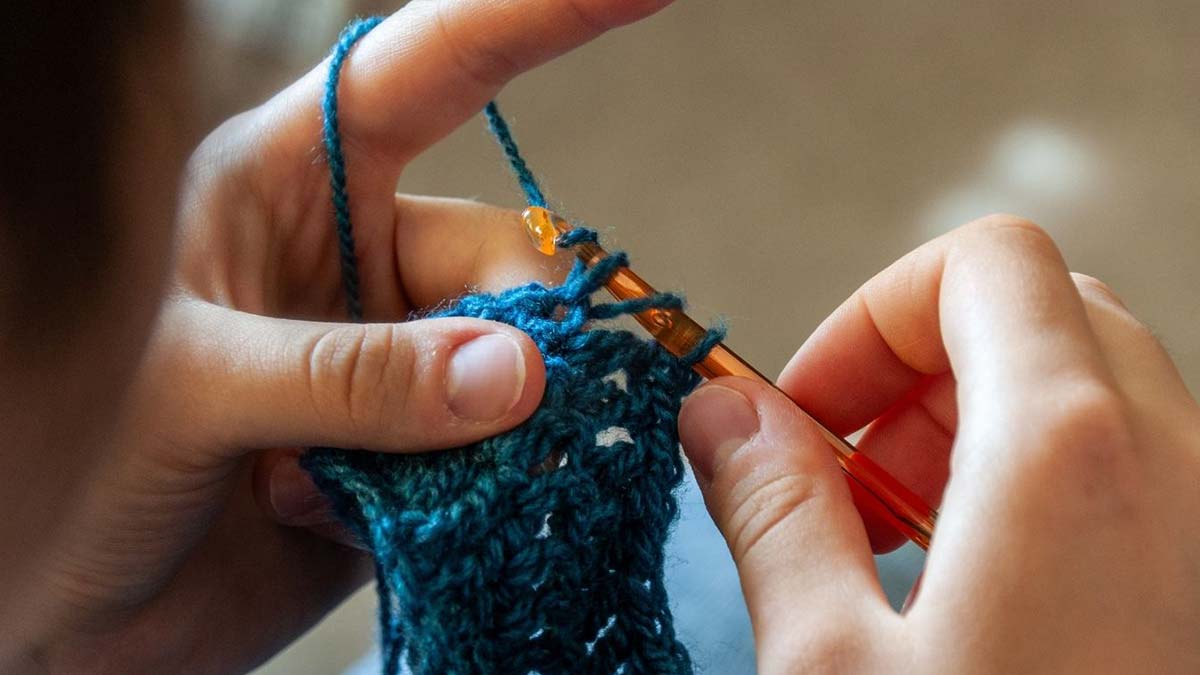
Handmade wool sweaters are created by skilled artisans using traditional knitting or crafting techniques. Each piece can have its own character and reflects the skill of the person who made it.
They can offer:
Machine-made sweaters, on the other hand, are produced at scale and generally offer consistent sizing and appearance.
If craftsmanship, individuality, and traditional production are important to you, a handmade wool sweater can be a worthwhile choice.
Before purchasing a wool sweater, check how it needs to be maintained.
Many wool garments benefit from gentle care.
General recommendations include:
Proper care can help maintain the sweater’s shape, softness, and appearance.
A quality wool sweater should be able to provide several seasons of use when properly maintained.
Before buying, examine:
Don’t judge a sweater only by its appearance. A well-constructed sweater can offer better long-term value than a cheaper garment that loses its shape or quality quickly.
The Kullu Valley of Himachal Pradesh has a rich tradition of wool craftsmanship and handloom textiles. Local artisans have preserved traditional techniques while adapting their products to modern clothing styles.
Kullu Karishma combines this Himalayan heritage with contemporary designs to create handmade wool clothing and accessories. The collection includes products made using natural fibers such as Merino Wool, Angora Wool, Lamb Wool, and other carefully selected materials.
Choosing a handmade wool sweater from a Himalayan artisan brand allows you to enjoy winter comfort while supporting traditional craftsmanship and the communities that preserve these skills.
There isn’t one type of wool sweater that is perfect for everyone.
The right choice depends on your:
Merino Wool is a strong choice when you want softness, breathability, and lightweight warmth. Angora Wool can be ideal when softness and warmth are priorities, while Lamb Wool offers a balance of warmth, comfort, and durability.
For those who value traditional craftsmanship, handmade wool sweaters offer an additional benefit—the individuality and artistry of an artisan-made garment.
Knowing how to choose the best wool sweater for winter makes it easier to find a garment that meets your needs. Start by checking the type of wool, then consider the sweater’s weight, fit, construction, intended use, and care requirements.
Natural wool sweaters remain a practical winter choice because they combine warmth, comfort, breathability, and timeless style. And when you choose a handmade sweater, you’re not simply buying winter clothing—you are also supporting craftsmanship and traditional textile skills.
For anyone looking for comfortable, warm, and thoughtfully crafted winter clothing, a high-quality handmade wool sweater can be a valuable addition to the wardrobe.
Merino Wool is an excellent choice for softness, breathability, and lightweight warmth. Angora Wool offers exceptional softness and warmth, while Lamb Wool provides a good balance of comfort, warmth, and durability.
Wool naturally provides insulation and breathability, making it highly suitable for winter. However, warmth also depends on the sweater’s thickness, construction, layering, and the weather conditions.
Choose a size that provides comfortable movement while leaving enough room for a base layer underneath. Check the shoulder, sleeve, chest, and overall body length before purchasing.
Follow the care label first. When hand washing is recommended, use cool water and a mild wool-safe detergent. Avoid high heat and dry the sweater according to the manufacturer’s instructions.
Yes. Handmade wool sweaters can offer distinctive designs, artisan craftsmanship, and carefully finished construction. They can also support traditional textile skills and local artisans.