Home » Angora Merino Headbands: A Stylish & Comfortable Winter Accessory
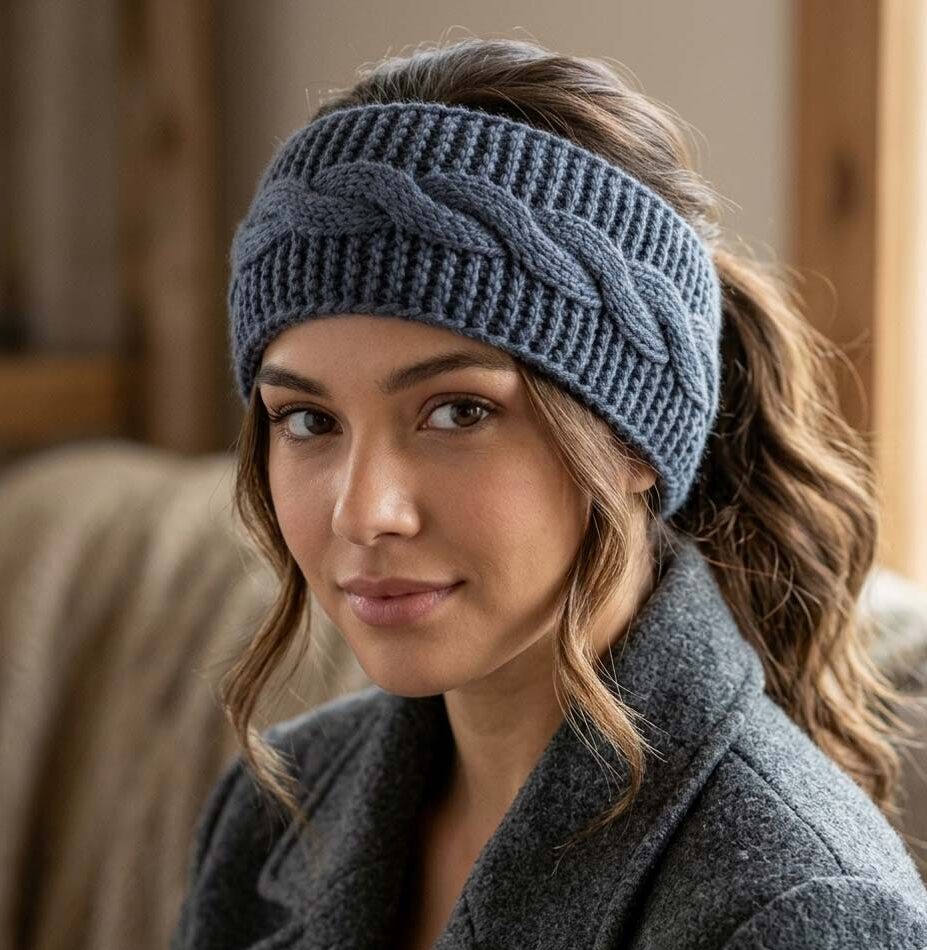
Winter accessories play an important role in keeping us comfortable during colder months. While sweaters, jackets, scarves, and gloves are essential parts of a winter wardrobe, headbands are another useful accessory that combines practicality with style.
Angora Merino headbands are an appealing choice for people who appreciate soft wool accessories and elegant winter fashion. Combining the qualities of Angora and Merino wool, these headbands can offer a comfortable feel, natural insulation, and a distinctive appearance.
Whether you are going for a winter walk, travelling to a cold destination, or simply looking for an alternative to traditional winter caps, a wool headband can be a versatile addition to your wardrobe.
In this guide, we will explore the characteristics of Angora and Merino wool, the benefits of wool headbands, different styling ideas, and tips for choosing and caring for your winter accessory.
An Angora Merino headband is a winter accessory made using Angora and Merino wool fibres, either as a blend or in a combination of yarns.
Angora fibre is obtained from Angora rabbits and is valued for its fine, soft texture and lightweight feel. Merino wool comes from Merino sheep and is appreciated for its fine fibres, natural insulation, and comfortable properties.
When used together in a textile, these fibres can create an accessory that combines different characteristics of both materials.
Unlike a traditional winter cap, a headband generally covers the forehead and ears while leaving the top of the head uncovered. This makes it a convenient option for people who want additional warmth around their ears without wearing a full cap.
To understand the appeal of Angora Merino headbands, it helps to look at the two fibres individually.
Angora is a natural animal fibre obtained from Angora rabbits. It is known for its fine, fluffy texture and lightweight character.
Some commonly appreciated characteristics of Angora fibre include:
The amount of Angora in a finished product affects its overall texture and performance, so checking the stated fibre composition is important.
Merino wool comes from Merino sheep and is widely used in winter clothing because of its fine fibre structure.
Its notable characteristics include:
The combination of Angora and Merino wool can bring together softness, warmth, and an attractive natural texture.
Angora Merino headbands are not just fashionable accessories. They can also be practical for everyday winter use.
One of the main reasons people wear winter headbands is to protect their ears from cold weather.
A wool headband covers the forehead and ears, providing an additional insulating layer. This can make it useful during chilly mornings, evening walks, and outdoor winter activities.
Unlike a full winter cap, it leaves the top of the head uncovered, which some people may find more comfortable.
Angora is known for its fine, fluffy texture, while Merino wool is valued for its relatively fine fibres.
Together, these materials can contribute to a soft and comfortable winter accessory. The actual feel depends on the fibre proportions, yarn quality, and knitting construction.
People with sensitive skin should check the product’s material details and try the accessory carefully to ensure it feels comfortable.
Some winter hats and caps can feel bulky, particularly when worn indoors or during physical activities.
A headband offers a simpler alternative by providing coverage around the ears and forehead without covering the entire head.
This makes it a convenient accessory for everyday outings, travelling, and light outdoor activities.
Headbands have a simple design that can complement different winter outfits.
They can be paired with sweaters, jackets, coats, and casual clothing. Their variety of colours and patterns also makes it easy to add a little character to an otherwise simple outfit.
A striped design, for example, can introduce colour and texture without making the overall look too complicated.
Wool headbands can be useful during activities where a full cap may feel unnecessary.
You can wear one while:
For very cold, windy, or snowy conditions, a headband may need to be combined with additional protective clothing because it does not cover the entire head.
Both wool headbands and traditional winter caps can be useful during colder months, but they serve slightly different purposes.
| Feature | Angora Merino Headband | Traditional Wool Cap |
|---|---|---|
| Coverage | Forehead and ears | Most or all of the head |
| Warmth | Focused ear and forehead coverage | More extensive head coverage |
| Style | Simple and versatile | Classic winter headwear |
| Hair styling | Leaves the top of the head uncovered | Covers the hair more fully |
| Everyday use | Useful for mild to cool conditions | Useful for colder conditions |
| Layering | Easy to combine with other accessories | Can be worn with scarves and coats |
The right choice depends on the weather, your comfort preferences, and the amount of coverage you need.
One of the best things about wool headbands is how easily they can be incorporated into everyday winter outfits.
Here are some styling ideas to try.
For a relaxed winter look, wear your headband with a comfortable sweater, jeans, and boots.
This combination works well for everyday outings, shopping, and casual meet-ups. Choose a headband colour that complements your sweater for a balanced appearance.
An Angora Merino headband can look stylish with a padded jacket, wool coat, or casual winter jacket.
A neutral-coloured jacket paired with a colourful or striped headband creates an attractive contrast.
Pair your headband with matching or complementary accessories such as woollen gloves, mufflers, scarves, and socks.
You do not necessarily need every accessory to be the same colour. Combining complementary shades can create a more natural and interesting outfit.
Headbands can be convenient for travel because they are generally compact and easy to carry.
Wear one with a warm sweater, comfortable trousers, and a winter jacket when exploring colder destinations.
For particularly cold destinations, remember to add a suitable cap or other protective headwear when needed.
If you usually wear neutral winter clothing, a striped or colourful headband can add a distinctive touch.
For example, a white and pink striped headband can complement grey, beige, black, and pastel-coloured outfits.
It offers a simple way to introduce colour without changing your entire winter wardrobe.
Before buying an Angora Merino headband, consider a few important details to find one that suits your needs.
1. Check the Fibre Composition
Look at the product specifications to understand the percentage of Angora, Merino wool, and any other fibres used. Different blends can have different textures and characteristics.
2. Choose a Comfortable Fit
A headband should fit securely around your head without creating uncomfortable pressure. Check the available sizing information before purchasing.
3. Consider the Width
Wider headbands generally cover more of the ears and forehead, while narrower designs offer a more minimal appearance.
Choose a width that suits your comfort and styling preferences.
4. Select a Suitable Colour
Neutral colours such as grey, beige, and black are easy to coordinate with different winter outfits. Striped and brighter designs can add a more distinctive appearance.
5. Check the Knitting and Finish
Look for an even finish, comfortable edges, and a construction that suits regular use. The quality of the knitting can influence how the headband fits and maintains its shape.
6. Understand the Care Requirements
Angora and Merino wool accessories may require gentle handling. Always check the manufacturer’s washing and storage instructions before purchasing.
Proper care helps maintain the texture, appearance, and shape of wool accessories.
Here are some general care tips:
Because Angora and Merino fibres have different characteristics, the correct care method depends on the actual fibre blend and construction of the accessory.
At Kullu Karishma, we appreciate the heritage of Himalayan wool craftsmanship and the traditional textile skills associated with Kullu, Himachal Pradesh.
Since 1991, our brand has been connected with wool clothing and accessories inspired by traditional techniques and the region’s rich textile heritage.
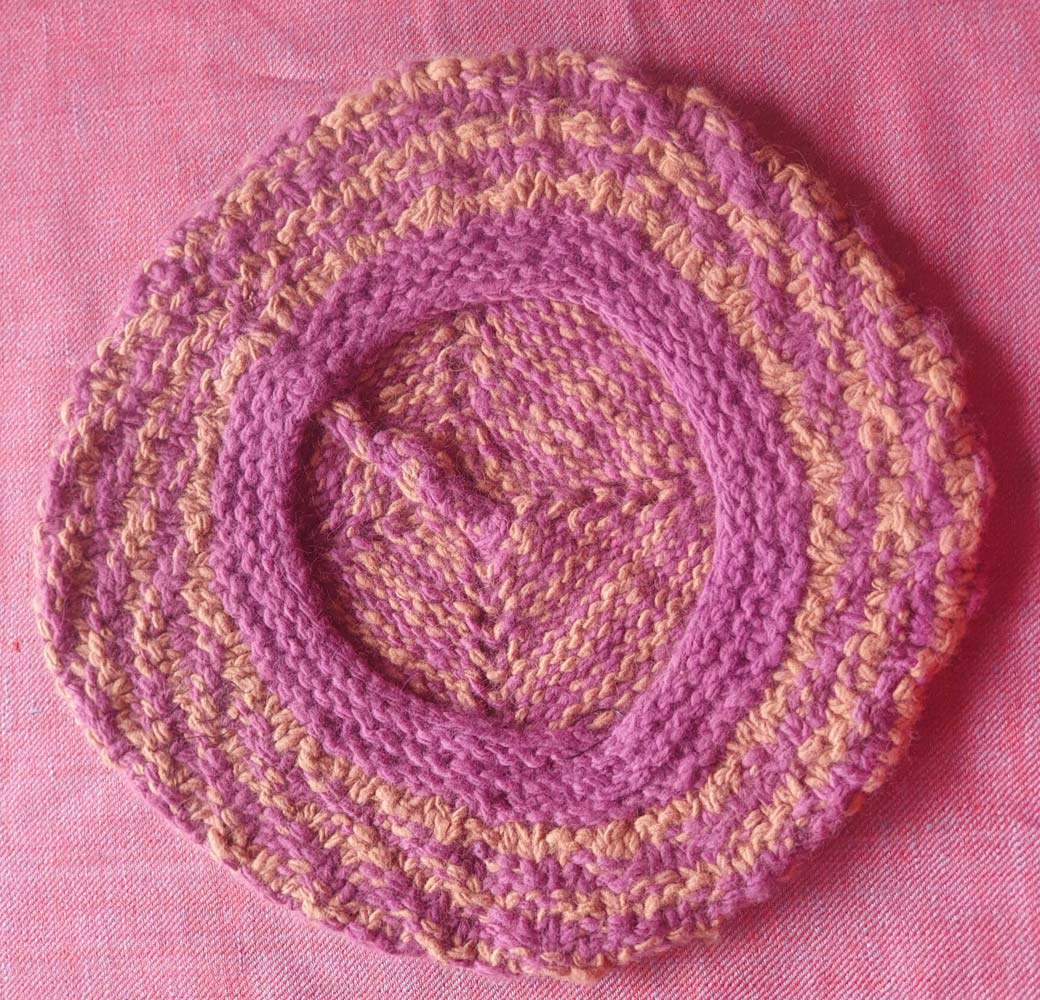
If you are looking for a distinctive winter accessory, explore our White & Pink Striped Angora Merino Headband.
Its white and pink striped design offers a gentle combination of colours that can complement different winter outfits. It is an option to consider when looking for a headband that brings together seasonal style and wool craftsmanship.
Visit the product page to check its material composition, available details, and care instructions.
Angora Merino headbands bring together the appeal of natural wool fibres and the convenience of practical winter accessories. Their soft appearance, ear coverage, lightweight design, and versatile styling possibilities make them worth considering for a winter wardrobe.
Whether you pair one with a casual sweater, a winter jacket, or a travel outfit, a thoughtfully selected headband can add both comfort and character to your look.
When choosing an Angora Merino headband, pay attention to its fibre composition, fit, design, and care requirements. These details will help you select an accessory that suits your needs and personal style.
Explore Kullu Karishma’s wool accessories and discover designs inspired by the traditional craftsmanship of the Himalayas.
1. What is an Angora Merino headband?
An Angora Merino headband is a winter accessory made using Angora and Merino wool fibres, either as a blend or in combination. It is designed to cover the forehead and ears while leaving the top of the head uncovered.
2. Is an Angora Merino headband good for winter?
Yes. Angora and Merino wool are valued for their insulating properties, making headbands made from these fibres useful for additional warmth around the ears and forehead during winter.
3. What is the difference between Angora and Merino wool?
Angora fibre comes from Angora rabbits and is known for its fine, fluffy texture. Merino wool comes from Merino sheep and is appreciated for its fine fibres, natural insulation, and moisture-management properties.
4. Are wool headbands better than winter caps?
Neither is universally better. A headband provides coverage around the ears and forehead while leaving the top of the head uncovered. A winter cap provides more extensive coverage and may be preferable in colder weather.
5. Can I wear an Angora Merino headband every day?
Yes, you can wear a suitable headband regularly during winter, depending on its construction, fit, and care requirements.
6. How should I style an Angora Merino headband?
You can pair it with sweaters, winter jackets, coats, jeans, and casual outfits. It can also be coordinated with woollen scarves, gloves, and other winter accessories.
7. Does an Angora Merino headband cover the entire head?
No. A traditional headband generally covers the forehead and ears, leaving the top of the head uncovered.
8. How do I wash an Angora Merino headband?
Follow the manufacturer’s care instructions. If hand washing is recommended, use cool water and a suitable wool detergent. Avoid twisting, harsh scrubbing, and high-heat drying.
9. Are Angora Merino headbands suitable for sensitive skin?
They may feel comfortable to some people because both fibres are known for their fine texture. However, individual sensitivities vary, so check the fibre composition and test the material against your skin before regular use.